
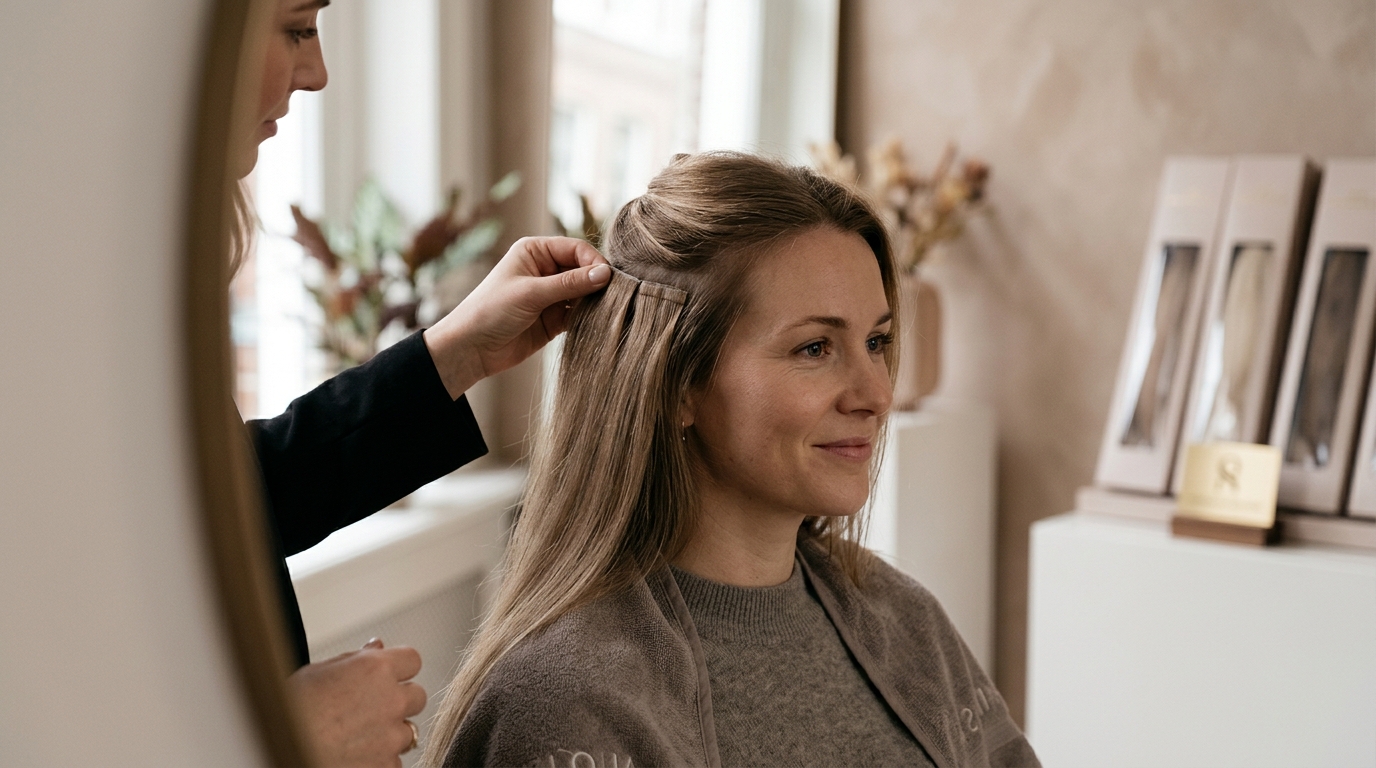
Step-by-Step Guide to Adding Volume to Fine Thin Hair
Fine hair often lacks the structural density to support significant weight, yet the desire for fullness remains universal. According to recent dermatological studies, approximately 40% of women experience some form of hair thinning by age 40. This statistic highlights the critical need for effective, non-damaging volume enhancement techniques. The solution lies not in harsh chemical treatments, but in strategic application of high-quality extensions and specialized styling methods. This guide details the precise workflow for achieving dramatic volume while maintaining the health of your natural strands. (Contact page of Hair)
Assessing Your Hair Type and Needs
Before introducing any external hair products, you must understand the structural limitations of fine hair. Fine hair refers to the diameter of individual strands, not the total count. These strands are delicate and can break under excessive tension or weight. Volume is the enemy of weight when dealing with fine textures. Therefore, the first step is a professional consultation to determine your hair's density and elasticity.
Many individuals confuse fine hair with thin hair. Fine hair is about strand thickness, while thin hair refers to the number of strands per square inch. Both conditions require lightweight solutions. According to the American Academy of Dermatology, improper extension weight can lead to traction alopecia, a condition where hair falls out due to pulling. This risk is significantly higher for those with fine hair textures. Always prioritize lightweight materials over heavy, dense bundles.
Preparing Fine Hair for Extensions
Proper preparation is the foundation of lasting volume. Fine hair lacks the natural oils and structural integrity of coarser hair types. This makes it susceptible to slippage if not prepared correctly. The preparation phase involves cleansing, conditioning, and strategic texturizing.
Cleansing and Clarifying
Start with a clarifying shampoo to remove all product buildup. Buildup creates a slippery barrier that prevents extension bonds from adhering securely. For fine hair, use a sulfate-free clarifier to avoid stripping essential moisture. Root lift is essential before any application begins. Blow-dry your hair upside down to create natural lift at the scalp.
Texturizing for Grip
Fine hair is naturally smooth, which can cause extensions to slide out. Apply a light-hold texturizing spray or dry shampoo to the roots. This adds friction and grip without adding significant weight. Avoid heavy waxes or oils near the root area. These substances will compromise the integrity of keratin bonds or tape adhesives.
Selecting the Right Extension Type
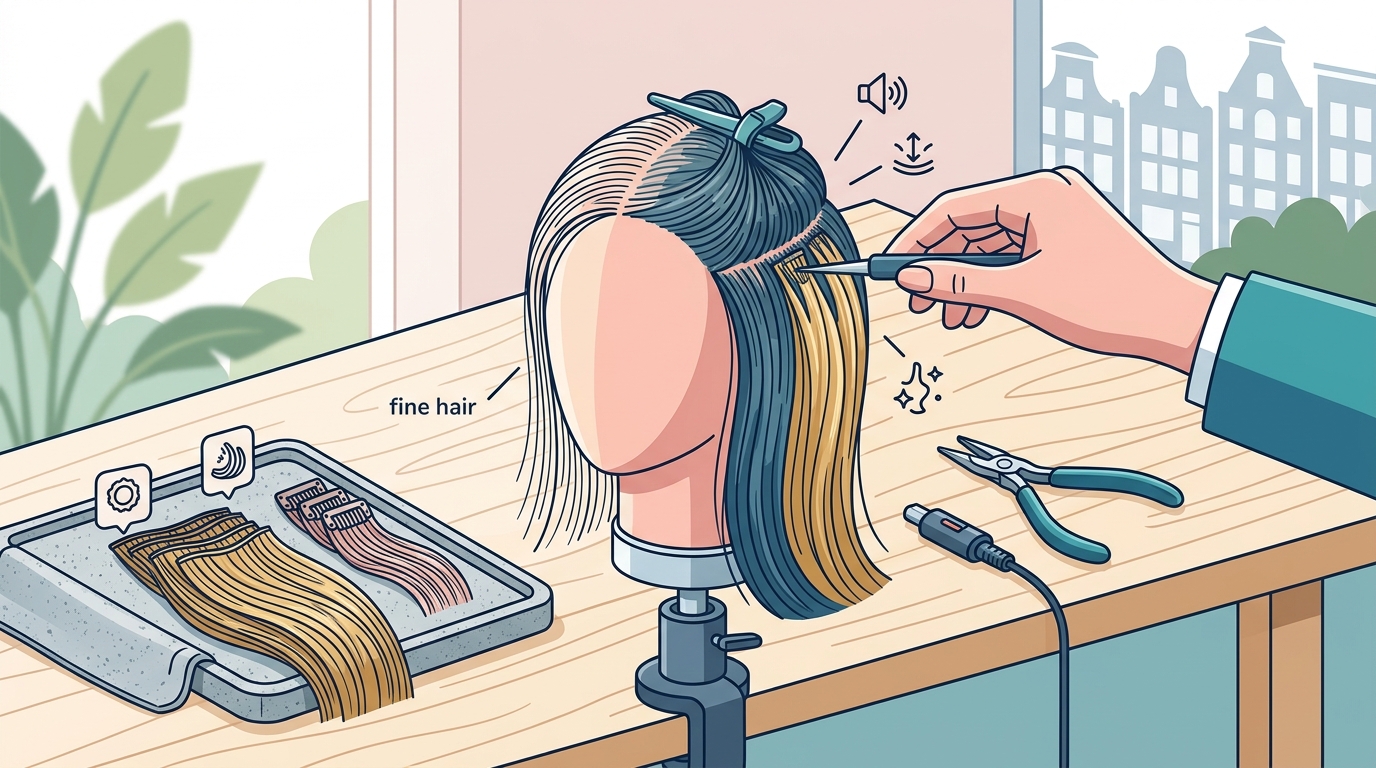
Not all extensions are created equal. For fine hair, the method of attachment and the weight of the hair are critical factors. Heavy wefts or thick keratin bonds can weigh down fine strands, causing them to flatten and lose volume. You must choose methods that distribute weight evenly and remain lightweight.
Nano ring extensions are often recommended for fine hair because they use tiny, lightweight metal rings that distribute weight across a small section of natural hair. This minimizes tension and prevents breakage. Similarly, micro loop ring extensions offer a similar benefit with a slightly larger attachment point. These methods allow for natural movement and do not require heat, which protects the delicate cuticle of fine hair.
Tape-in extensions are another viable option for fine hair. They lie flat against the scalp, creating a seamless look. However, they must be applied in thin, precise layers to avoid bulkiness. Pre-bonded extensions can also work if the keratin tip is small and the hair weight is carefully calculated. Avoid heavy wefts or clip-ins that require large, visible clips, as these can pull on fine hair and cause discomfort.
Step-by-Step Application Process
Applying extensions to fine hair requires precision and patience. The goal is to add volume without compromising the health of your natural hair. Follow this sequential workflow for optimal results.
Sectioning the Hair
Begin by parting your hair horizontally from ear to ear. Secure the top section of your hair out of the way. You will work from the nape of the neck upward. This ensures that the lower layers provide a stable base for the upper layers. Use a tail comb to create clean, precise sections. Each section should be no wider than the extension weft or bond.
Attaching the Extensions
For nano or micro ring extensions, take a small subsection of your natural hair. Thread the natural hair through the ring, then insert the extension hair. Tighten the ring securely but gently. Do not overtighten, as this can cause breakage. For tape-ins, apply the tape directly to the root area, ensuring it is flat and smooth. Sandwich your natural hair between two tape wefts for a secure hold.
Blending and Layering
Once all extensions are attached, blend your natural hair with the extensions. Use a wide-tooth comb to gently detangle. Cut layers into the extensions to match your natural hairline. This step is crucial for creating a natural, voluminous look. Layering creates movement and prevents the hair from looking flat or helmet-like.
Styling for Maximum Volume
Styling fine hair with extensions requires a different approach than styling natural hair. The goal is to enhance volume without adding weight or heat damage. Use volumizing products sparingly and focus on root lift.
Apply a volumizing mousse to damp roots before blow-drying. Use a round brush to lift the hair at the roots while drying. This technique creates lasting volume that withstands daily activity. Avoid heavy serums or oils on the roots, as these will weigh hair down. Instead, apply these products to the mid-lengths and ends to maintain shine and health.
For heat styling, use a low-heat setting. Fine hair is more susceptible to heat damage. Always use a heat protectant spray before styling. Curling the ends of your hair can add the illusion of fullness. Avoid straightening the entire head, as this can flatten the volume you have worked hard to create.
Long-Term Maintenance and Care
Maintaining volume in fine hair with extensions requires a strict care routine. Neglect can lead to tangling, matting, and loss of volume. Follow these guidelines to keep your hair looking fresh and full.
Brushing and Detangling
Use a loop brush or a specialized extension brush. Start from the ends and work your way up to the roots. This prevents pulling on the bonds or rings. Brush your hair at least twice a day to prevent tangles. Never sleep with wet hair, as this can cause matting near the attachment points.
Washing and Drying
Wash your hair less frequently to preserve natural oils. Use a sulfate-free, extension-safe shampoo. Focus the shampoo on the scalp and let the suds run through the lengths. Avoid rubbing the extensions vigorously. Pat dry with a towel and allow to air dry when possible. If using a blow dryer, use a cool setting to finish.
Regular Adjustments
Schedule regular maintenance appointments every six to eight weeks. Fine hair grows quickly, and the extensions can shift out of place. A professional can reposition the extensions and trim any damaged ends. This ensures that your volume remains consistent and your hair health is protected.
Key Takeaways
- Weight Matters: Fine hair requires lightweight extensions like nano rings or micro loops to prevent breakage.
- Preparation is Key: Clarifying and texturizing the roots ensures secure attachment and lasting volume.
- Professional Application: Precision sectioning and blending are essential for a natural, voluminous look.
- Styling Techniques: Root lift and layering create the illusion of fullness without adding weight.
- Maintenance Routine: Regular brushing, gentle washing, and professional adjustments keep volume intact.
- Product Selection: Use sulfate-free and extension-safe products to protect bonds and rings.
- Heat Protection: Always use heat protectants and low-heat settings to preserve fine hair health.
Frequently Asked Questions
Can fine hair support hair extensions?
Yes, fine hair can support extensions if the correct lightweight methods are used. Nano rings and micro loops are ideal because they distribute weight evenly and minimize tension on delicate strands.
How do I add volume to fine hair without extensions?
You can add volume using volumizing shampoos, root-lifting sprays, and blow-drying techniques. Layered cuts and texturizing sprays also help create the appearance of fullness.
Are tape-in extensions good for fine hair?
Tape-in extensions can work for fine hair if applied in thin layers. They lie flat against the scalp and provide a seamless look. However, they must be monitored for slippage, as fine hair can be slippery.
How long do extensions last on fine hair?
Extensions on fine hair typically last six to eight weeks before needing adjustment. This is due to the natural growth rate of fine hair and the need to reposition the attachments.
What is the best shampoo for fine hair with extensions?
Use a sulfate-free, extension-safe shampoo. These formulas cleanse without stripping moisture or damaging the bonds and rings. Jenoris offers specialized care sets designed for this purpose.
Can I dye my fine hair with extensions?
Yes, but it must be done by a professional. Dying hair with extensions requires careful application to avoid damaging the bonds or the extension hair itself. Always consult your stylist first.
How do I prevent extensions from slipping out?
Ensure your hair is clean and dry before application. Use texturizing sprays at the roots for grip. Avoid heavy oils near the attachment points. Regular maintenance appointments also help keep extensions secure.
Get Your Custom Volume Solution
Achieving volume in fine hair is possible with the right approach and products. Hair Extensions Europe offers a range of lightweight, high-quality extensions designed specifically for delicate hair types. Our nano ring and micro loop options provide the perfect balance of volume and safety. Visit our home page to explore our collection. Explore our Nano Ring Extensions for a secure, lightweight hold. Discover our Micro Loop Ring Extensions for seamless blending. Check out our Starter Sets for all the tools you need. Read our Color Guide to find your perfect match. Contact our Customer Service team for personalized advice today.