
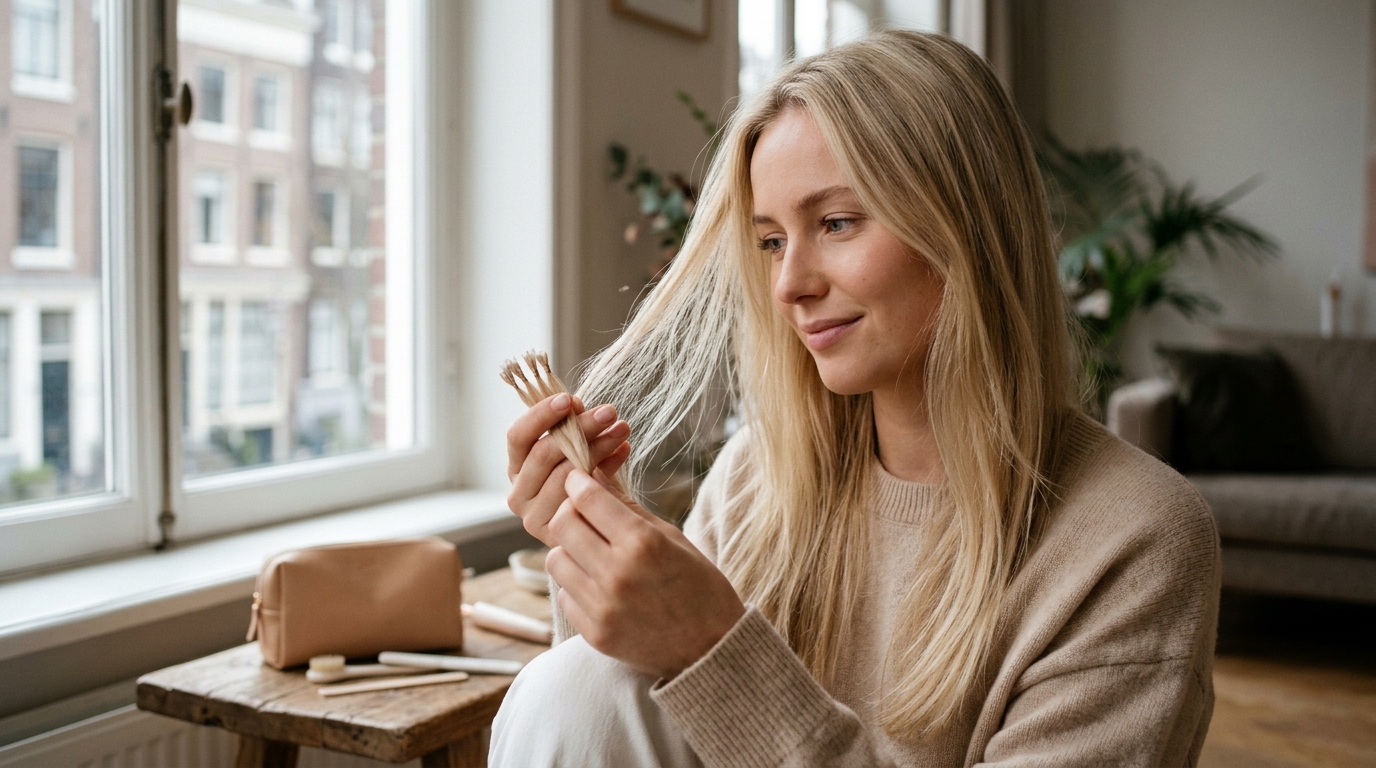
Fine hair presents unique structural challenges when introducing additional volume and length. According to recent dermatological studies, fine hair strands have a smaller diameter and less density than average, making them significantly more susceptible to traction alopecia and breakage from heavy attachment points. This guide outlines the critical technical criteria for selecting safe, high-quality extensions that enhance your appearance without compromising the health of your natural hair. We will explore specific attachment methods, weight distribution metrics, and material standards that define premium care for delicate hair types.
Understanding Fine Hair Structure
Fine hair is defined by the actual diameter of the individual strand, not the total number of hairs on your head. Fine hair is a hair type characterized by a small strand diameter and reduced structural resilience. This physical reality means that the hair follicle has less surface area to grip onto extension bonds or rings. When you select extensions, the primary goal is to minimize stress on these fragile anchors.
Many consumers confuse fine hair with thin hair. Thin hair refers to density, which is the number of strands per square inch. Fine hair refers to the thickness of each individual strand. You can have fine, thick hair or coarse, thin hair. For those with fine hair, the weight of the extension becomes the most critical variable. Heavy extensions pull on the follicle, leading to premature shedding. Therefore, the selection process must prioritize lightweight, low-impact technologies over sheer volume.
Safe Attachment Methods for Delicate Hair
Not all extension types are created equal. The attachment mechanism determines how much weight is transferred to your natural hair. For fine hair, we strictly recommend methods that distribute weight evenly or use minimal adhesion points.
Tape-In Extensions
Tape-in extensions are widely considered the gold standard for fine hair. Tape-in extensions are flat, wefted hair segments bonded with medical-grade adhesive that lay flush against the scalp. Because the bond is wide and flat, the weight is distributed across a larger surface area of your natural hair. This reduces point pressure significantly compared to single-strand methods. At Hair Extensions Europe, we stock premium tape-in options that are designed to slide smoothly through fine textures without tangling.
Micro Ring and Nano Ring Extensions
Ring methods use small metal or silicone beads to clamp the extension to your natural hair. Micro ring extensions are individual strands attached via tiny metal beads that require no heat or glue. Nano rings are even smaller, making them ideal for very fine hair. However, the weight of the extension must be carefully calculated. If the extension is too heavy, the ring can slide down the fine shaft, causing slippage or breakage. We recommend starting with shorter lengths and lighter weights when using this method.
Pre-Bonded and Keratin Tips
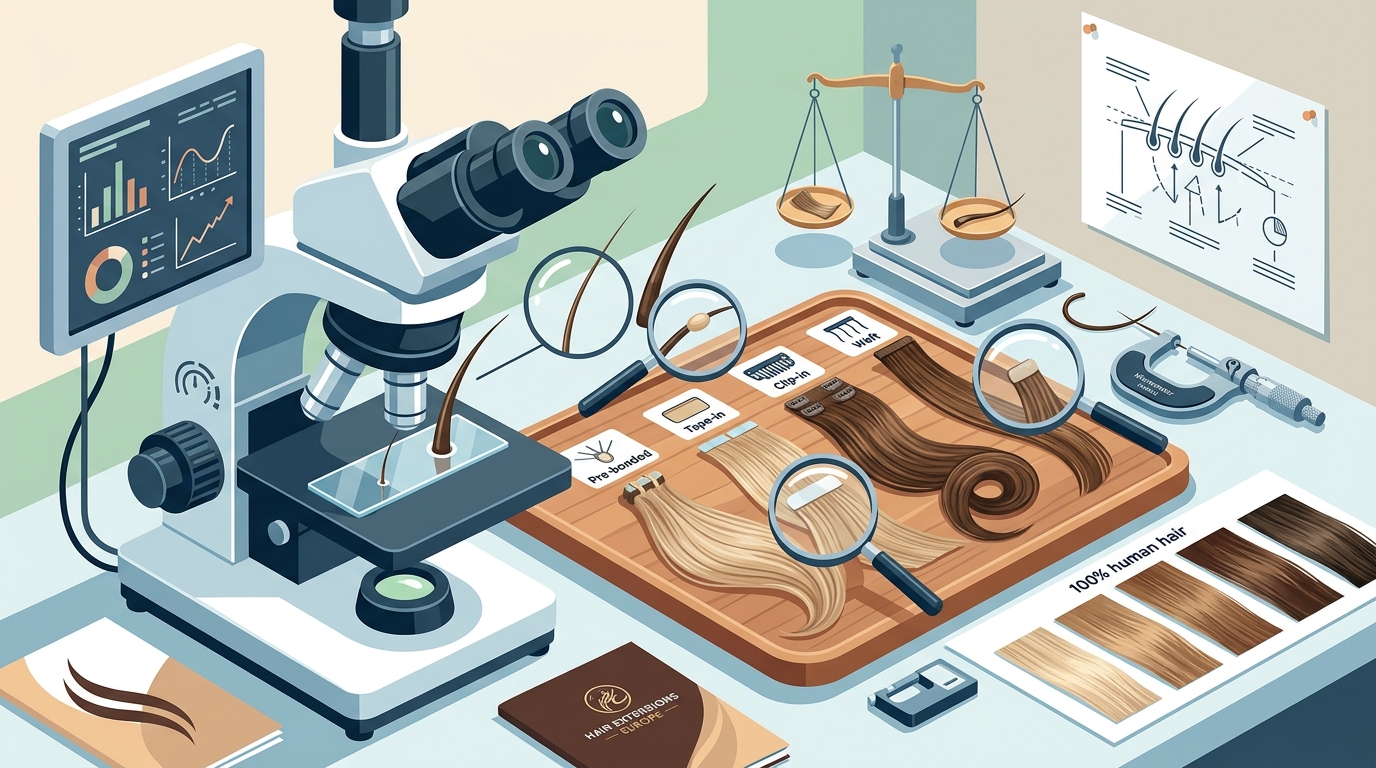
Pre-bonded extensions use a keratin-based adhesive to fuse the extension to the natural hair. While durable, this method can be risky for fine hair if the bond is too large. Pre-bonded extensions are single-strand extensions fused to natural hair using a heat-activated keratin adhesive. For fine hair, the bond must be small and the hair must be high-quality to prevent the adhesive from becoming brittle and snapping the natural strand. We advise consulting with a professional before choosing this route.
Weight Distribution and Length
The relationship between extension length and weight is non-linear. A 20-inch extension weighs significantly more than a 14-inch extension, not just in linear proportion, but in cumulative density. For fine hair, the general rule is to keep the total weight under 80-100 grams for the first set. Exceeding this limit can cause permanent damage to the hair follicle.
When selecting your length, consider your natural hair's anchor strength. Hair Extensions Europe offers a range of lengths, but for fine hair, we often recommend staying within the 16 to 18-inch range. This provides noticeable length and volume without overwhelming the natural hair. If you desire longer hair, you must increase the number of application points (more tapes or rings) to distribute the load.
Material Quality and Origin
The quality of the extension hair itself is paramount. Cheap, processed hair is heavy and tangles easily, adding unnecessary stress to fine hair. You must seek 100% virgin human hair. Virgin hair is unprocessed human hair that retains its natural cuticle alignment. This alignment prevents tangling and matting, which are common issues when extensions are brushed against natural fine hair.
At Hair Extensions Europe, we source premium hair that is lightweight and soft. Our hair care products are specifically formulated to maintain the integrity of these high-quality strands. Using harsh sulfates or alcohols can dry out the hair, making it brittle and prone to breaking at the attachment point.
Precision Color Matching
A poor color match can lead to excessive brushing and manipulation as you try to blend the extensions, which damages fine hair. Color matching is the process of aligning extension shades with natural hair tones to create a seamless blend. Fine hair often has more translucency, meaning the scalp shows through more easily. This makes the root area critical. We recommend using our color guide to select shades that match not just the mid-lengths, but the roots and tips.
Consider adding highlights or lowlights to break up solid color blocks. This technique helps the extensions blend more naturally with your natural hair, reducing the need for aggressive styling that can cause breakage.
Maintenance and Aftercare
Proper maintenance extends the life of your extensions and protects your natural hair. Maintenance involves regular professional adjustments and daily care routines to preserve extension health. For tape-ins, this means moving them up every 6 to 8 weeks. For rings, every 4 to 6 weeks. Delaying these appointments allows the hair to grow out, causing the bonds to slide down and tangle.
Daily care should include using a loop brush to gently detangle from the bottom up. Never sleep with wet extensions, as this weakens the bonds and causes matting. Our starter sets include the necessary tools and care products to ensure you maintain your extensions safely.
Key Takeaways
- Fine hair has a smaller strand diameter and requires lightweight extensions to prevent traction alopecia.
- Tape-in extensions are often the best choice for fine hair due to their flat, weight-distributing bonds.
- Micro and nano ring methods are viable but require careful weight calculation to prevent slippage.
- Virgin human hair is essential to prevent tangling and reduce weight on the follicle.
- Total extension weight should generally stay under 100 grams for the first application on fine hair.
- Regular maintenance every 4 to 8 weeks is critical to prevent bond slippage and damage.
- Precision color matching reduces the need for aggressive styling that can damage fine strands.
Frequently Asked Questions
Can I wear clip-in extensions on fine hair?
Yes, clip-ins can be worn on fine hair, but they must be lightweight and have silicone-lined clips to prevent slipping. However, they are not a long-term solution and can cause breakage if worn daily for extended periods.
What is the lightest extension method for fine hair?
Nano ring extensions are often the lightest individual strand method, while tape-ins offer the best weight distribution for wefted applications. Both are superior to heavy pre-bonded methods for fine hair.
How long do tape-in extensions last on fine hair?
Tape-ins typically last 6 to 8 weeks before needing to be moved up. On fine hair, they may slip slightly faster if the hair is very oily, so regular washing with a clarifying shampoo is important.
Do extensions damage fine hair?
Extensions can damage fine hair if they are too heavy or installed incorrectly. Choosing the right weight and method, along with professional installation, minimizes this risk significantly.
What hair care products should I use?
Use sulfate-free shampoos and alcohol-free conditioners. Our Jenoris care sets are specifically designed to maintain the softness and longevity of premium human hair extensions.
Can I dye my extensions?
Yes, but only if they are 100% virgin human hair. We recommend having a professional colorist perform the service to avoid damaging the cuticle alignment.
How do I choose the right color?
Use our color guide and compare your hair in natural daylight. Match the mid-lengths and roots, not just the tips.
Book Your Consultation
Selecting the right extensions for fine hair requires expert guidance and premium products. At Hair Extensions Europe, we provide the highest quality virgin hair and professional advice to ensure your extensions enhance your beauty without compromising your hair health. Visit our customer service page for more information or contact us to book your personalized consultation today.