
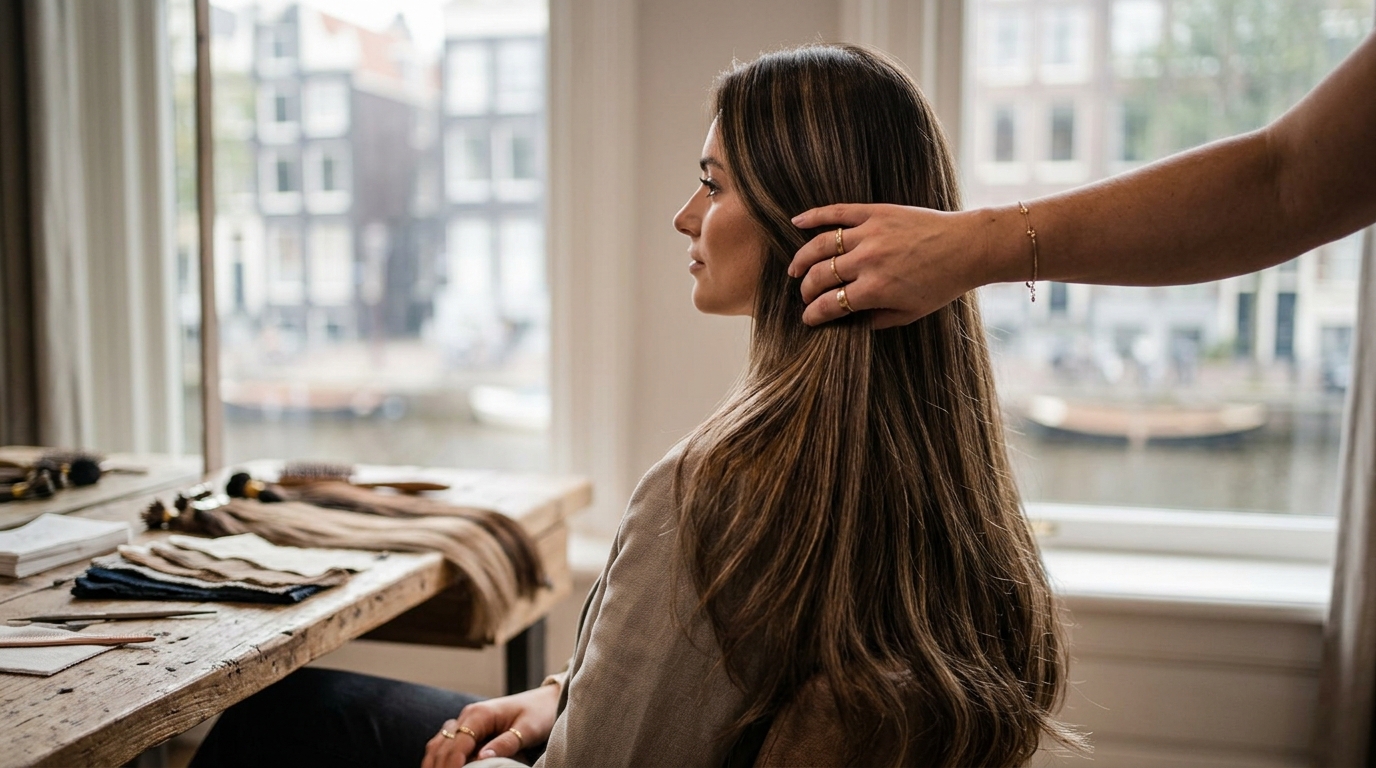
Buying high-quality hair extensions is no longer just about finding the longest strands. It is about sourcing ethically harvested, 100% natural hair that blends seamlessly with your existing texture. According to recent market analysis, the global hair extensions market is projected to grow significantly, with European suppliers leading the charge in quality control and ethical sourcing standards. This guide breaks down exactly how to navigate this complex landscape, ensuring you invest in products that last, look natural, and respect your budget.
Why European Suppliers Lead in Quality
When sourcing hair extensions, the origin of the hair matters immensely. European hair is renowned for its fine texture, natural shine, and ability to hold color better than many other varieties. This is not merely a marketing claim. It is a result of the specific climate and genetic diversity found across the continent, which produces hair strands that are more uniform in diameter.
Suppliers based in Europe, such as those operating out of Amsterdam, often benefit from strict EU regulations regarding animal welfare and labor standards. This ensures that the hair is sourced ethically. Furthermore, the proximity to major European fashion capitals means that these suppliers are often at the forefront of trend adoption, offering styles that are both contemporary and timeless. Hair Extensions Europe exemplifies this standard by offering premium quality at affordable prices, bridging the gap between luxury and accessibility.
Another critical factor is the supply chain efficiency. European suppliers can dispatch orders same-day if placed before specific cutoff times. This logistical advantage ensures that the hair arrives fresh and well-packaged, preserving the integrity of the cuticles. For consumers in the UK, Netherlands, and Germany, this means faster delivery and lower carbon footprints compared to importing from Asia or South America.
Understanding Extension Types and Methods
Choosing the right extension method is the most critical step in your buying journey. Each method offers different levels of permanence, comfort, and versatility. Understanding these differences will help you select the product that aligns with your lifestyle and hair health.
Pre-Bonded and Keratin Extensions
Pre-bonded extensions use a keratin-based adhesive to attach individual strands to your natural hair. This method offers a very natural look because the bonds are small and discreet. However, they require professional application and removal to prevent damage. The bond must be heated and melted off, which is why using a specialized heat connector tool is often recommended for maintenance.
Tape-In Extensions
Tape-in extensions are flat wefts of hair with medical-grade adhesive on both sides. They are sandwiched around a thin layer of your natural hair. This method is popular for its quick application time and comfort. Tape-ins are ideal for adding volume and length without the weight of individual bonds. They typically last six to eight weeks before needing to be moved up.
Clip-In and Halo Extensions
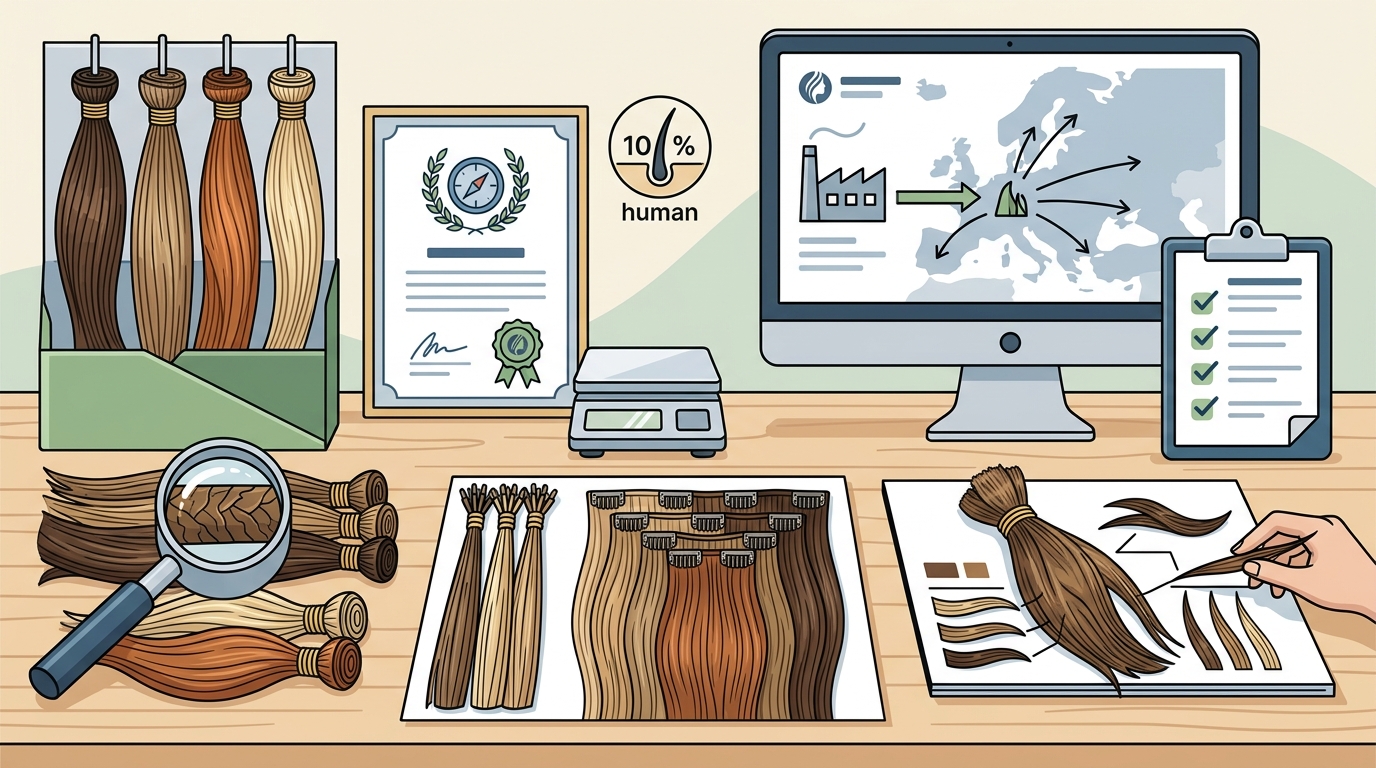
For those who prefer temporary solutions, clip-in and halo extensions are excellent choices. Clip-ins feature small clips sewn into wefts that snap onto your natural hair. Halo extensions use a transparent wire that rests on the head, with hair hanging down from it. These options allow you to wear your hair naturally every day and only add extensions for special occasions. Clip-in human extensions are particularly favored for their versatility and ease of use.
Micro Ring and Nano Ring Extensions
Micro ring and nano ring extensions use small metal or silicone beads to clamp the extension hair to your natural hair. This method is heat-free and chemical-free, making it gentler on the hair shaft. Nano rings are smaller and less visible than micro rings, offering a more discreet finish. These methods are reversible and reusable, providing long-term value.
The Science of Color Matching
One of the most common mistakes buyers make is poor color matching. European hair colors are often categorized by a specific numbering system that denotes the base tone and the level of lightness. Understanding this system is crucial for a seamless blend.
The number indicates the level of lightness, ranging from 1 (black) to 10 (lightest blonde). The decimal or letter following the number indicates the tone. For example, a 6.2 might represent a light brown with a gold tone. When buying online, it is essential to compare your natural hair against the supplier's color chart under natural daylight. Artificial lighting can distort colors, leading to mismatched purchases.
Many European suppliers offer custom coloring services. This allows you to send a sample of your hair or provide a specific Pantone code for a perfect match. If you are looking to change your look entirely, choosing the right color hair extensions involves understanding your skin's undertones. Cool undertones pair well with ash or platinum shades, while warm undertones complement golden or caramel hues.
Verifying 100% Human Hair Authenticity
The market is flooded with synthetic blends and processed hair that claims to be 100% human. To ensure you are buying premium quality, you must know how to verify authenticity. The first step is to check the cuticle alignment. In premium hair, all cuticles run in the same direction, which prevents tangling and matting. This is often referred to as "Remy hair."
A simple burn test can also help. Take a single strand of the extension hair and burn it with a lighter. 100% human hair will burn quickly, turn to ash, and smell like burning feathers or hair. Synthetic hair will melt into a hard plastic bead and smell like burning plastic. Additionally, premium human hair will feel soft and silky to the touch, whereas processed or synthetic hair often feels rough or overly slippery due to chemical coatings.
Reputable suppliers like Hair Extensions Europe provide detailed product descriptions that specify the origin and processing of the hair. Look for terms like "virgin hair," which means the hair has never been chemically treated, and "Remy hair," which confirms cuticle alignment. Avoid products that do not disclose these details, as they may be of lower quality.
Maintenance and Longevity Strategies
Investing in premium hair is only the first step. Proper maintenance is required to ensure the extensions last and remain beautiful. The wrong care routine can lead to tangling, dryness, and premature shedding. Using the right products is non-negotiable.
Always use sulfate-free and alcohol-free shampoos and conditioners. Sulfates can strip the natural oils from the hair, while alcohol can dry it out. Socap hair care products are often recommended for their gentle formulations that preserve the integrity of the extensions. Additionally, apply a leave-in conditioner or hair oil to the mid-lengths and ends to keep the hair hydrated.
Brushing is another critical aspect of maintenance. Use a loop brush or a specialized extension brush to detangle the hair gently. Always start from the ends and work your way up to the roots to prevent pulling on the bonds or rings. Never sleep with wet extensions, as this can cause tangling and mildew. For tape-ins and micro rings, avoid applying oil-based products directly to the attachment points, as this can weaken the adhesive or cause slippage.
Regular professional maintenance is also essential. Depending on the method, you will need to have your extensions moved up or reattached every six to eight weeks. This ensures that the hair grows out evenly and maintains its natural look. Customer service teams at reputable suppliers can often provide guidance on finding certified stylists in your area.
Comparison of Extension Methods
To help you make an informed decision, here is a comparison of the most popular extension methods available from European suppliers.
| Method | Duration | Comfort | Best For | Maintenance |
|---|---|---|---|---|
| Pre-Bonded | 3-4 months | Medium | Long-term wear | Professional removal |
| Tape-In | 6-8 weeks | High | Volume and speed | Move-up every 6 weeks |
| Clip-In | Temporary | High | Occasional use | Home care |
| Micro/Nano Ring | 3-4 months | Medium | Heat-free option | Professional adjustment |
Key Takeaways
- European Origin Matters: Hair sourced from Europe offers finer texture and better color retention due to genetic and climatic factors.
- Verify Authenticity: Always look for "Remy" and "Virgin" labels to ensure cuticle alignment and lack of chemical processing.
- Color Matching is Critical: Use natural daylight and detailed color charts to avoid mismatches. Custom coloring is often available.
- Choose the Right Method: Select extensions based on your lifestyle, hair health, and desired duration of wear.
- Maintenance is Key: Use sulfate-free products and professional brushes to extend the life of your investment.
- Ethical Sourcing: European suppliers often adhere to stricter ethical standards, ensuring humane treatment of hair donors.
- Logistical Advantages: Buying from European suppliers like those in Amsterdam ensures faster, same-day dispatch for regional customers.
Frequently Asked Questions
How do I know if hair extensions are 100% human?
You can verify this by checking the cuticle alignment and performing a burn test. 100% human hair burns to ash and smells like burning hair, while synthetic hair melts and smells like plastic. Reputable suppliers will explicitly state if the hair is Remy and Virgin.
What is the difference between Pre-Bonded and Tape-In extensions?
Pre-bonded extensions use keratin adhesive and last longer, typically three to four months. Tape-in extensions use adhesive tapes and are easier to apply and remove, lasting six to eight weeks. Pre-bonded offers a more discreet bond, while tape-ins provide quicker application.
Can I color my European hair extensions?
Yes, 100% human hair extensions can be colored. However, it is best to have this done by a professional stylist to avoid damage. If you are lightening the hair, ensure it is virgin hair, as processed hair may not lift evenly.
How long do Micro Ring extensions last?
Micro ring extensions typically last three to four months before needing to be moved up. This depends on your hair growth rate and how well you maintain them. Regular professional adjustments are necessary to keep them secure and comfortable.
Are Clip-In extensions damaging to natural hair?
Clip-in extensions are generally safe if used correctly. They do not require glue or heat, making them the least damaging option. However, avoid sleeping or showering with them in, and ensure the clips are not too tight, which can cause breakage.
What is the best care product for hair extensions?
Use sulfate-free and alcohol-free shampoos and conditioners. Products specifically designed for extensions, such as those from Socap Hair Care, are ideal. Avoid applying oil-based products directly to the attachment points.
Do European suppliers offer international shipping?
Yes, many European suppliers offer international shipping. For example, Hair Extensions Europe ships globally, ensuring that customers worldwide can access premium quality hair. Shipping times and costs vary by destination.
Start Your Transformation
Investing in premium 100% human hair extensions is a decision that enhances your confidence and style. By understanding the nuances of sourcing, quality verification, and maintenance, you can ensure a seamless and beautiful result. European suppliers offer unparalleled quality, ethical standards, and logistical efficiency. Explore the full collection today and find the perfect extensions for your unique look.