
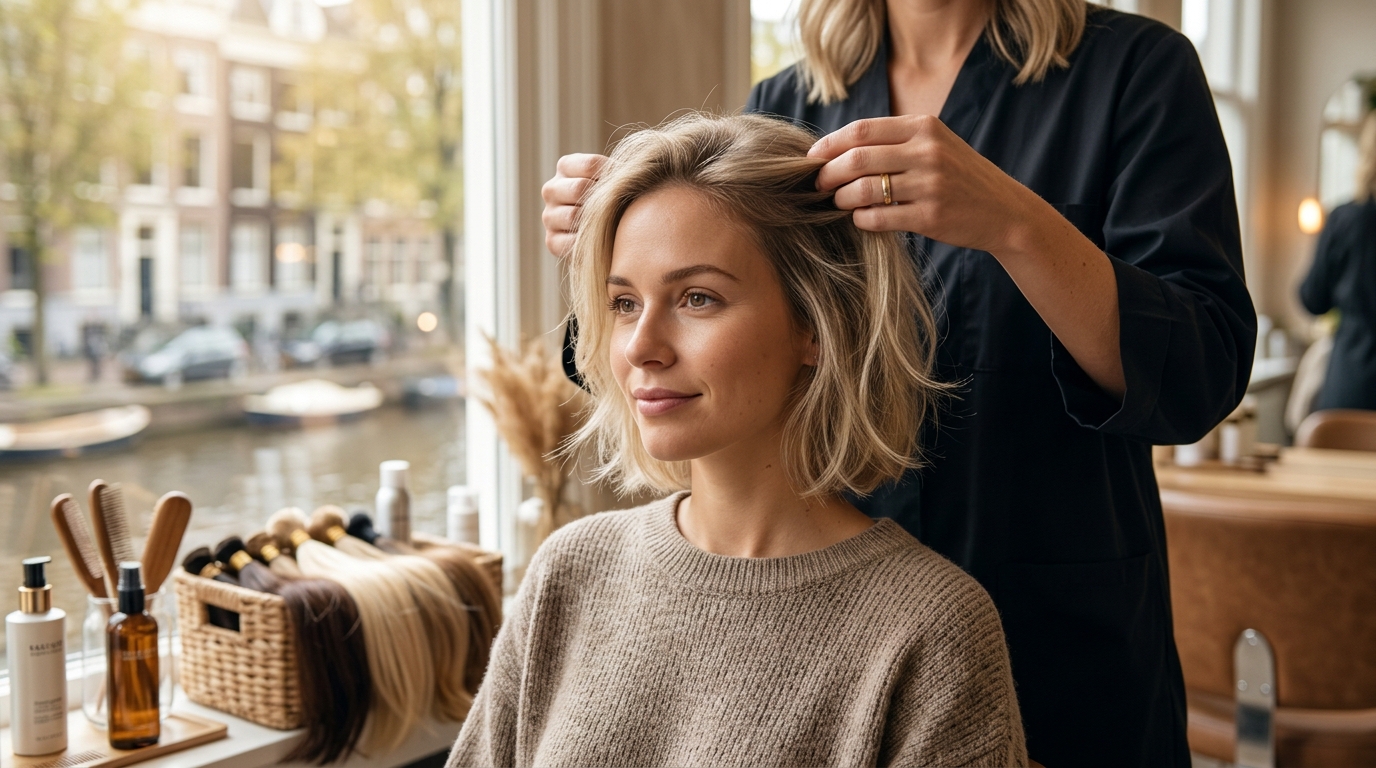
Fine hair presents a unique structural challenge for volume enhancement. According to recent dermatological studies, fine hair strands have a significantly smaller diameter than average hair, making them highly susceptible to tension and breakage when subjected to heavy loads. This biological reality means that standard extension methods designed for thick, coarse hair can cause irreversible damage to your natural follicles. The goal is not just to add length, but to distribute weight evenly across a fragile canvas. At Hair Extensions Europe, we prioritize methods that respect the integrity of your natural hair while delivering the luxurious volume you desire. (Contact page of Hair)
Understanding Fine Hair Structure
Before selecting a method, it is crucial to understand what defines your hair type. Fine hair is characterized by the circumference of individual strands, not the density of hair on your head. You can have high density with fine strands, which changes the weight-bearing capacity of your scalp. Fine hair is defined by its narrow diameter, which offers less structural support for heavy bonding agents. (Hair Extensions Europe best)
When hair is fine, the cuticle layer is often more delicate. This means that harsh chemicals or excessive heat used in traditional bonding methods can cause the strand to become brittle. The risk of traction alopecia, a form of hair loss caused by constant pulling, is higher for those with fine textures. Therefore, the selection of an extension method must prioritize lightweight application and gentle removal processes. We recommend consulting with a professional stylist who understands the specific mechanics of fine hair before committing to a long-term solution.
Tape-In Extensions: The Gold Standard
Tape-in extensions are widely considered the safest and most effective option for fine and thin hair. These extensions consist of thin wefts of human hair with a medical-grade adhesive strip on one side. The application process involves sandwiching a thin layer of your natural hair between two tape tabs. This distribution method is critical because it spreads the weight of the extension across a wider surface area of your natural hair, reducing stress on any single strand.
The primary advantage of tape-ins for fine hair is their flat profile. Unlike bulky beads or keratin bonds, tape-ins lie flat against the scalp, creating a seamless blend that is virtually undetectable. This is particularly important for fine hair, which can look stringy if the attachment points are too visible. Furthermore, tape-ins are relatively lightweight. A full head of tape-ins typically weighs less than traditional micro-link methods, making them more comfortable for daily wear.
At Hair Extensions Europe, we offer premium Tape-In Extensions made from 100% natural human hair. Our tape-ins are designed to be soft and blendable, ensuring that they do not tug or pull on your delicate strands. The adhesive used is strong enough to last for six to eight weeks but gentle enough to allow for safe removal without damaging the hair cuticle. Regular maintenance is required to keep the tapes secure and your hair healthy.
Micro Ring and Nano Ring Methods
For those who prefer a semi-permanent solution without adhesive, micro ring and nano ring extensions are excellent alternatives. These methods use small metal or silicone rings to clamp the extension hair to your natural hair. The key difference lies in the size of the ring. Nano rings are significantly smaller and lighter than micro rings, making them a superior choice for fine hair.
Nano ring extensions are defined by their tiny, nearly invisible silicone or metal beads that hold the extension to the natural hair. Because the bead is so small, it places minimal pressure on the hair shaft. This method is also heat-free, which protects the integrity of fine hair that may be sensitive to thermal damage. The lightweight nature of nano rings ensures that the weight of the extension is supported by the ring itself, rather than being transferred entirely to your natural hair follicle.
However, the installation process requires precision. A skilled technician must ensure that the ring is not too tight, which can cause constriction and breakage, nor too loose, which can lead to slipping. We recommend our Nano Ring Extensions for clients seeking a durable yet gentle option. These extensions can last for several months with proper care and regular tightening appointments. The absence of glue or heat makes this method highly appealing for those with sensitive scalps or allergies to adhesive chemicals.
Clip-In Extensions for Occasional Use
Clip-in extensions offer the ultimate flexibility for fine hair. These are temporary extensions that you can apply and remove daily. They are ideal for individuals who want to add volume for special occasions but do not want the commitment or potential risk of semi-permanent methods. For fine hair, clip-ins provide a safe way to experiment with length and volume without subjecting your natural hair to constant tension.
The safety of clip-ins depends largely on the quality of the clips and the weight of the weft. Heavy clip-in sets can pull on fine hair, leading to breakage at the root. Therefore, it is essential to choose lightweight wefts with secure, smooth clips that do not snag. Our Clip-In Human Extensions are crafted to be lightweight and comfortable. They allow you to add volume exactly where you need it, whether it is at the crown for lift or at the ends for length.
Another benefit of clip-ins is the ability to give your natural hair a break. By removing the extensions every night, you allow your scalp and hair follicles to rest. This is particularly beneficial for fine hair, which needs time to recover from any stress. You can also vary the placement of the clips to avoid putting pressure on the same area repeatedly. This dynamic approach helps maintain the health of your natural hair while still achieving a glamorous look.
Pre-Bonded and Keratin Warnings
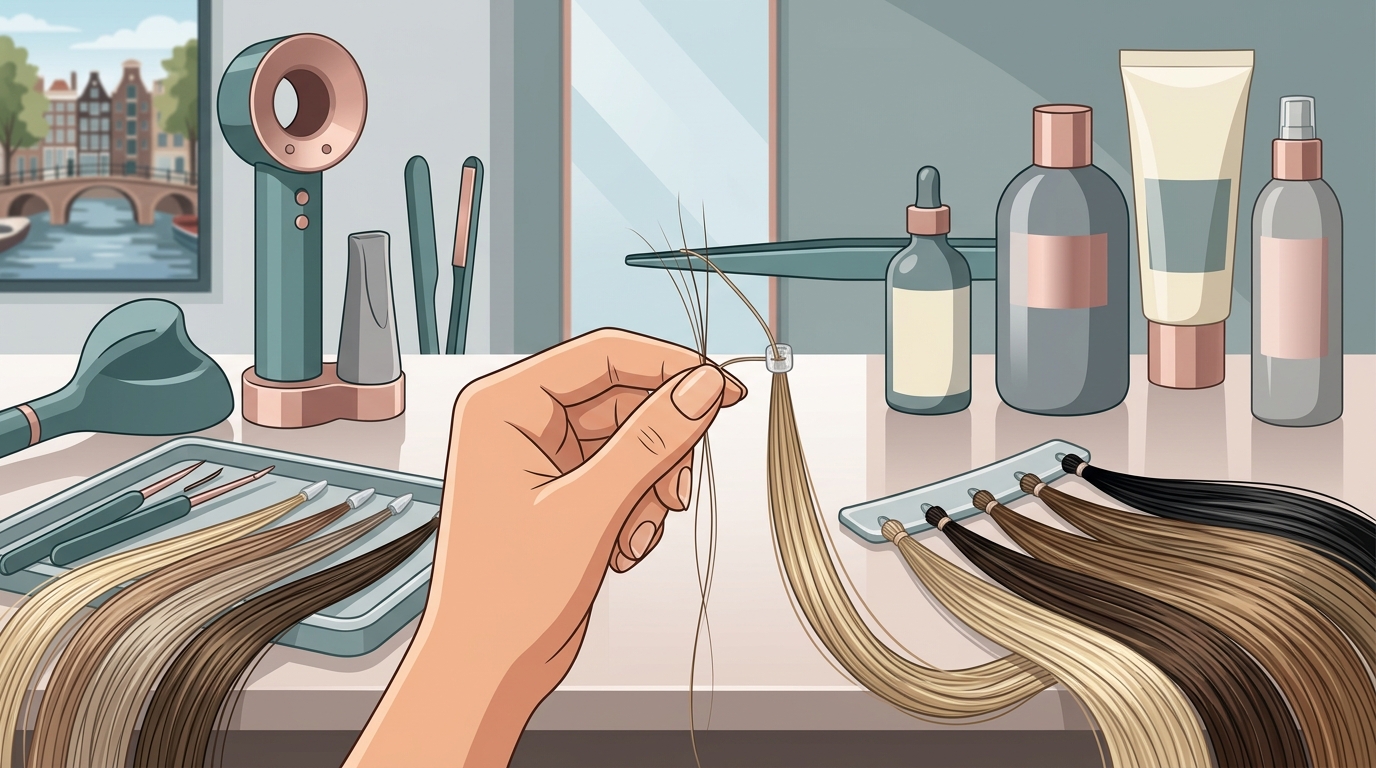
While pre-bonded or keratin tip extensions are popular for their longevity, they pose significant risks for fine hair. These methods involve melting a keratin bond onto your natural hair using heat. The heat required to melt the bond can be damaging to fine hair, which has a lower tolerance for thermal stress. Additionally, the bond itself can be heavy and bulky, creating a concentrated point of weight that can pull on the hair shaft.
Removal of pre-bonded extensions is also a concern. The process often requires a special solvent and careful scraping to remove the keratin. This can be harsh on the hair cuticle, leading to dryness and breakage. For fine hair, the risk of tangling at the bond site is also higher. If the bond is not removed correctly, it can cause severe matting that is difficult to resolve. We generally advise against pre-bonded methods for those with very fine or damaged hair.
If you are determined to use pre-bonded extensions, it is crucial to choose a high-quality product and an experienced professional. Our Pre-Bonded extensions are made from premium human hair, but the application method must be carefully considered. Always consult with a stylist who can assess the strength of your natural hair before proceeding. In many cases, the long-term health of your hair is more valuable than the temporary benefit of length.
Choosing the Right Color
Selecting the correct color is vital for a natural look, especially with fine hair. Fine hair can sometimes appear translucent or lighter than it actually is, which can affect how the extension color blends. It is important to match the extension color to the mid-lengths and ends of your natural hair, as the roots are often darker due to new growth.
At Hair Extensions Europe, we provide detailed color charts to help you find the perfect match. Our color selection guide explains the nuances of different shades and how they interact with light. For fine hair, it is often recommended to choose a color that is slightly lighter than your natural roots to create a seamless blend. This technique helps to disguise the transition between your natural hair and the extensions.
Custom coloring is also an option. If your hair has multiple tones or highlights, you may need to blend multiple extension colors to achieve a natural look. Our team can assist you in selecting the right combination of shades. Remember that hair extensions do not change color with the sun, so you may need to adjust your natural hair color or the extension color seasonally to maintain a cohesive appearance.
Maintenance and Care
Proper maintenance is essential for keeping fine hair healthy while wearing extensions. The type of maintenance depends on the method you choose. For tape-ins, you will need to visit a professional for removal and reapplication every six to eight weeks. During this time, you should use sulfate-free shampoos and conditioners to preserve the adhesive. Our Socap Hair Care products are specifically formulated to extend the life of your extensions and keep your natural hair moisturized.
For micro and nano rings, regular tightening is required as your hair grows. This process ensures that the rings remain close to the scalp and do not slide down, which can cause tangling. You should also avoid applying conditioner directly to the roots or the attachment points, as this can weaken the grip of the rings. Brushing your hair gently from the bottom up is crucial to prevent tangles from forming at the bonds.
Regardless of the method, hydration is key. Fine hair tends to be drier than other hair types, and extensions can exacerbate this issue. Use deep conditioning treatments regularly to keep your hair soft and manageable. Our Jenoris care sets provide the necessary nutrients to maintain the health of both your natural hair and your extensions. Avoid excessive heat styling and always use a heat protectant when using hot tools.
Key Takeaways
- Tape-In Extensions are the safest semi-permanent option for fine hair due to their lightweight and flat profile.
- Nano Rings offer a heat-free alternative with minimal tension, ideal for sensitive scalps.
- Clip-In Extensions provide flexibility and allow your natural hair to rest when not in use.
- Pre-Bonded Methods pose higher risks of heat damage and breakage for fine hair strands.
- Color Matching should focus on the mid-lengths and ends to ensure a seamless blend.
- Maintenance requires sulfate-free products and regular professional adjustments.
- Hydration is critical to prevent dryness and breakage in fine hair types.
Frequently Asked Questions
Are tape-in extensions safe for fine hair?
Yes, tape-in extensions are generally considered the safest semi-permanent option for fine hair. Their lightweight design and flat application distribute weight evenly, reducing the risk of breakage compared to heavier methods.
Can I use micro ring extensions on very thin hair?
Micro rings can be used on thin hair, but nano rings are often preferred because they are smaller and lighter. This reduces the pressure on the hair shaft and minimizes the risk of slippage or damage.
How long do clip-in extensions last?
With proper care, high-quality clip-in extensions can last for one to two years. Their lifespan depends on how often they are used and the quality of the hair. Premium human hair extensions hold up better to frequent styling.
Do hair extensions damage fine hair?
Extensions can damage fine hair if the wrong method is chosen or if they are installed incorrectly. Lightweight methods like tape-ins and nano rings, combined with professional installation and proper care, minimize the risk of damage significantly.
What is the best shampoo for hair extensions?
You should use a sulfate-free, alcohol-free shampoo designed for extensions. Sulfates can strip the moisture from the hair and weaken the adhesive in tape-ins. Our Socap Hair Care line is recommended for this purpose.
How often should I tighten my micro or nano rings?
Micro and nano rings typically need to be tightened every six to eight weeks. This frequency allows your hair to grow out slightly without causing tension or tangling at the attachment points.
Can I swim with hair extensions?
Yes, you can swim with extensions, but you should take precautions. Wet your hair with fresh water before swimming and wear a swim cap if possible. After swimming, rinse your hair thoroughly to remove chlorine or salt, which can dry out the hair.
Shop Premium Extensions
Choosing the right hair extensions for fine thin hair requires careful consideration of weight, attachment method, and hair health. At Hair Extensions Europe, we are committed to providing high-quality products that enhance your beauty without compromising your natural hair. Explore our range of premium hair extensions and find the perfect solution for your needs. Order before 15:00 for same-day dispatch from Amsterdam.