

The Evolution of Hair Extensions: From Ancient Roots to Modern Luxury
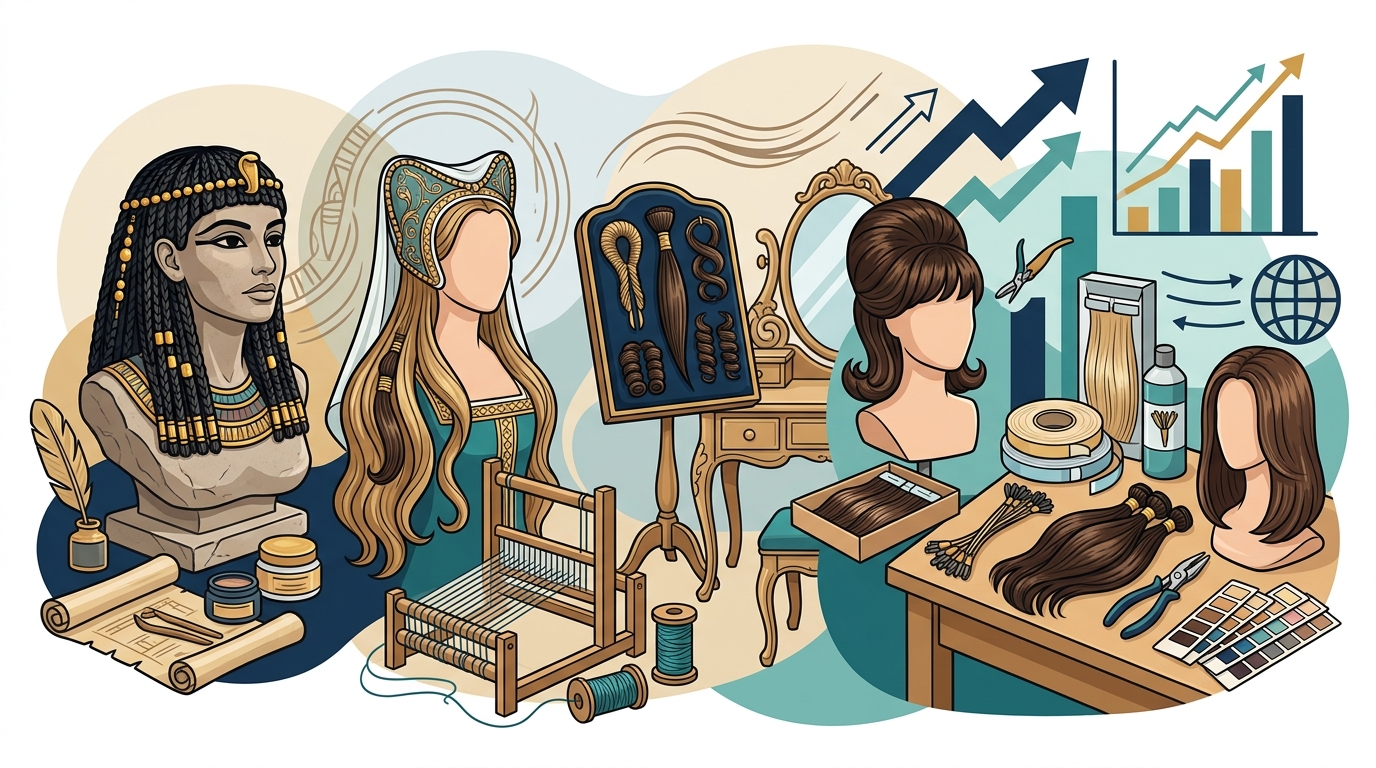
Hair extensions have transformed from a symbol of ancient status to a daily beauty staple for millions. According to recent industry data, the global hair extension market is projected to reach significant valuation milestones in the coming years, driven by demand for natural-looking volume and length. This shift reflects a broader cultural change where hair enhancement is no longer reserved for the elite but is accessible to anyone seeking confidence through style. Understanding this journey helps consumers make informed decisions about the quality and methods available today. (Contact page of Hair)
Ancient Origins and Cultural Significance
The history of hair extensions dates back thousands of years, rooted in civilizations that valued long, flowing hair as a sign of beauty and wealth. Ancient Egypt is widely recognized as one of the earliest adopters of hair enhancement techniques. Women in this region often wore wigs and extensions made from human hair, wool, or plant fibers to protect their natural hair from the harsh sun and to denote social status. (Hair Extensions Europe best)
Similarly, in Ancient Rome, hair extensions were popular among the aristocracy. They sourced hair from Germanic tribes, trading gold and silver for the prized blonde and red hair, which was considered exotic and desirable. This early trade established the foundation for the international hair market that exists today. The concept of hair extensions is the practice of adding artificial or natural hair to one's existing hair to increase length or volume. (Hair Extensions Europe best)
These early methods were not just aesthetic but also practical. They protected natural hair from damage and allowed for complex hairstyles that were otherwise impossible. The cultural significance of these additions cannot be overstated, as they served as a clear indicator of wealth and power in ancient societies.
The Mid-Century Shift to Synthetic Fibers
For centuries, the materials used for extensions remained largely unchanged. However, the mid-20th century brought a technological revolution in materials science. The invention of synthetic fibers like nylon and kanekalon changed the industry forever. These materials were cheaper to produce and allowed for a wider variety of colors and textures to be available to the general public.
During the 1970s and 1980s, clip-in extensions became popular due to their ease of use. They allowed women to add volume for special occasions without the commitment of permanent methods. This era marked the beginning of the democratization of hair extensions. Synthetic hair extensions are made from man-made fibers that mimic the look of natural hair but are less durable and heat-sensitive.
Despite the rise of synthetics, the demand for human hair never disappeared. High-end salons continued to offer human hair extensions for clients seeking a more natural look and feel. The distinction between synthetic and human hair became a key factor in pricing and quality perception. Consumers began to understand that while synthetic options were accessible, human hair offered superior longevity and styling versatility.
Modern Application Methods and Technology
Today, the variety of hair extension methods is vast, catering to different needs, budgets, and hair types. The evolution from simple weaving to advanced bonding techniques reflects significant advancements in adhesive chemistry and application tools. Pre-bonded extensions are hair extensions attached to the natural hair using a keratin-based adhesive that is melted with heat.
One of the most popular modern methods is the Tape-In Extension. These involve thin wefts of hair with a medical-grade adhesive strip on one side. They are sandwiched around a small section of natural hair, providing a flat, comfortable fit that lies close to the scalp. This method is favored for its quick application and minimal damage to natural hair when applied correctly.
Another significant advancement is the Nano Ring Extension. This method uses tiny metal rings to attach individual strands of hair to the natural hair. The rings are much smaller than traditional micro-rings, making them nearly invisible and less likely to cause tension or slippage. This technique is ideal for those with fine hair who need a lightweight solution.
The Micro Loop Ring Extension is another popular choice. It uses a small metal ring and a loop of hair to attach extensions without heat or glue. This method is often preferred for its reusability and the ability to adjust the tension as the natural hair grows. Each method offers unique benefits, and the choice depends on individual hair health and lifestyle.
Defining Quality and Material Standards
As the market has grown, so has the importance of quality standards. Not all human hair is created equal. The source of the hair, whether from India, Brazil, or Europe, affects its texture, durability, and price. Remy hair is high-quality human hair where the cuticles are kept intact and aligned in the same direction to prevent tangling.
Non-Remy hair has cuticles that are stripped or misaligned, leading to faster tangling and matting. For consumers, understanding this distinction is crucial. Investing in Remy hair ensures a longer-lasting and more natural-looking result. The processing of the hair, including coloring and texturizing, also plays a role in its quality.
At Hair Extensions Europe, we prioritize sourcing 100% natural hair that meets strict quality criteria. Our products are designed to blend seamlessly with natural hair, providing a luxurious feel and look. We offer a range of colors and textures to match diverse customer needs. Our commitment to quality is reflected in our customer service and product guarantees.
Comparison of Extension Types
To help you navigate the options, here is a comparison of the most popular extension types available today.
| Extension Type | Application Method | Durability | Best For |
|---|---|---|---|
| Pre-Bonded | Keratin Adhesive + Heat | 3-4 Months | Long-term wear, natural look |
| Tape-In | Adhesive Strip | 6-8 Weeks | Quick application, fine hair |
| Nano Ring | Micro Metal Ring | 2-3 Months | Minimal damage, lightweight |
| Micro Loop | Loop and Ring | 2-3 Months | Reusability, adjustable fit |
| Clip-In | Clips | Temporary | Occasional use, versatility |
Key Takeaways
- Hair extensions have a rich history dating back to Ancient Egypt and Rome, where they symbolized status and beauty.
- The mid-20th century introduced synthetic fibers, making extensions more accessible to the general public.
- Modern methods like Tape-In and Nano Rings offer safer, more comfortable, and longer-lasting options than earlier techniques.
- Remy hair is the gold standard for quality, with intact cuticles that prevent tangling and maintain a natural look.
- Choosing the right method depends on your hair type, lifestyle, and desired duration of wear.
- Hair Extensions Europe provides premium, 100% natural hair options with international shipping from Amsterdam.
- Proper care and maintenance are essential for the longevity of any hair extension type.
Frequently Asked Questions
How long do hair extensions last?
The longevity of hair extensions depends on the type and method used. Pre-bonded and ring extensions typically last between 2 to 4 months with proper maintenance, while tape-ins require reapplication every 6 to 8 weeks. Clip-in extensions can last for years if cared for correctly.
Are hair extensions damaging to natural hair?
When applied and removed correctly by a professional, hair extensions should not damage natural hair. However, improper application or neglecting maintenance can lead to tangling and breakage. Using high-quality extensions and following care instructions minimizes risk.
What is the difference between Remy and non-Remy hair?
Remy hair has cuticles that are kept intact and aligned in the same direction, which prevents tangling and maintains a smooth, natural appearance. Non-Remy hair has cuticles that are stripped or misaligned, leading to faster tangling and a shorter lifespan.
Can I color my hair extensions?
Yes, most human hair extensions can be colored. However, it is recommended to have this done by a professional to avoid damage. Synthetic extensions cannot be colored with traditional hair dye as it will melt the fibers.
How do I care for my hair extensions?
Care involves using sulfate-free shampoos and conditioners, brushing gently with a loop brush, and avoiding excessive heat. Regular maintenance appointments are crucial for bonded and ring extensions to ensure they remain secure and healthy.
Where does Hair Extensions Europe ship from?
Hair Extensions Europe ships from Amsterdam, Netherlands. We offer international shipping via registered mail to ensure your order arrives safely and securely.
What is the best method for fine hair?
Tape-In and Nano Ring extensions are often recommended for fine hair because they are lightweight and lie flat against the scalp, providing volume without adding excessive weight or tension.
Explore Premium Collections
Ready to transform your look with the best in hair extension technology? Explore our curated collection of premium, 100% natural hair extensions. From Pre-Bonded to Tape-In and Nano Ring options, we have the perfect solution for you. Visit our homepage to browse our full range of colors and textures. Order before 15:00 for same-day dispatch and experience the difference of quality hair extensions.