
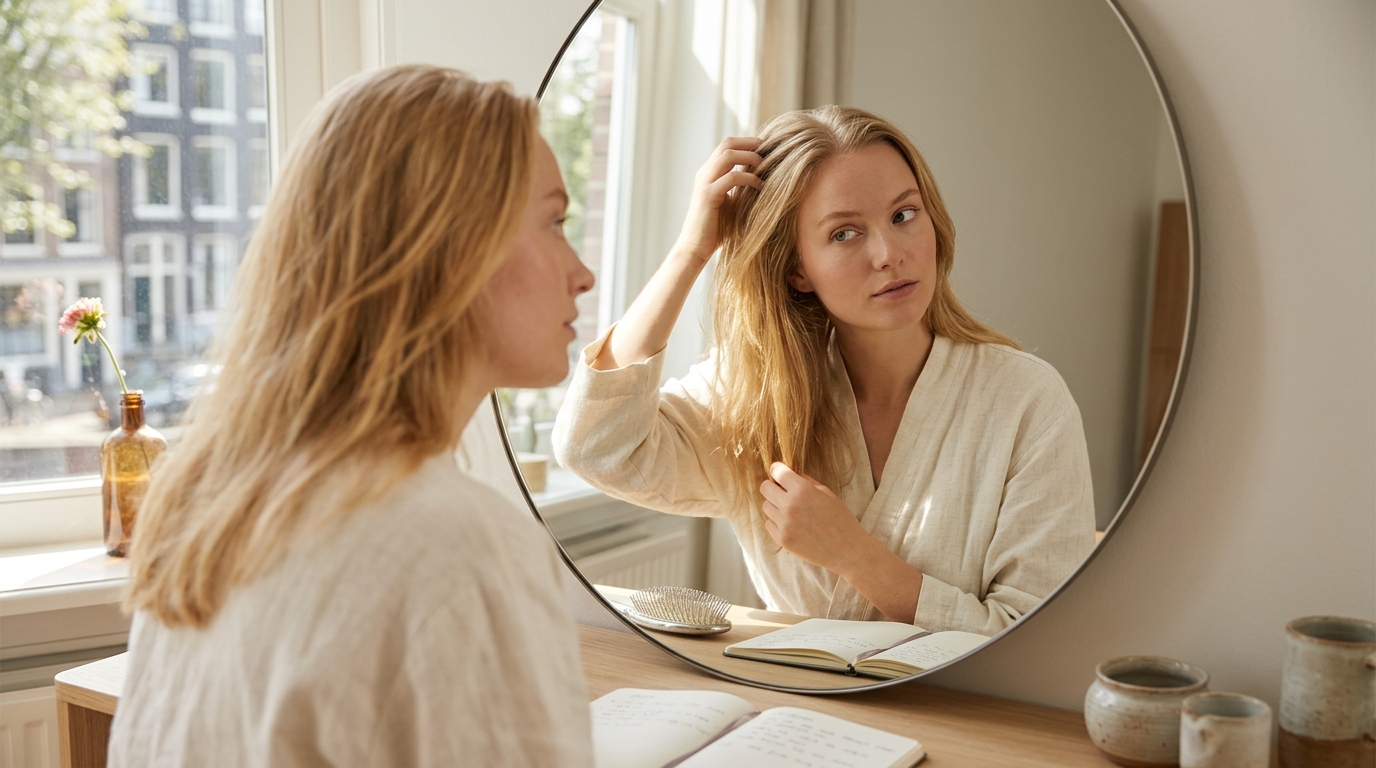
Fine hair is often misunderstood as weak hair, but it is actually a structural characteristic defined by the diameter of the individual hair strand. According to the American Academy of Dermatology, fine hair has a smaller circumference than medium or coarse hair types, making it more susceptible to breakage and less capable of holding volume under its own weight. This structural reality means that standard hair care routines designed for thicker hair can inadvertently strip away the little natural body fine hair possesses. Many individuals struggle with flat, lifeless locks not because of genetics, but because of daily habits that compound over time. Understanding the mechanics of hair density and strand integrity is the first step toward reclaiming your volume.
Understanding Fine Hair Structure
Fine hair is defined by its thin diameter, not by how much hair you have on your head. Hair density refers to the number of strands per square inch, while hair texture refers to the thickness of each individual strand. You can have fine hair with high density, which is actually quite common. This combination allows for significant volume if managed correctly. However, fine hair lacks the internal structural support that coarser hair types have. This makes it highly vulnerable to environmental stressors and chemical processing.
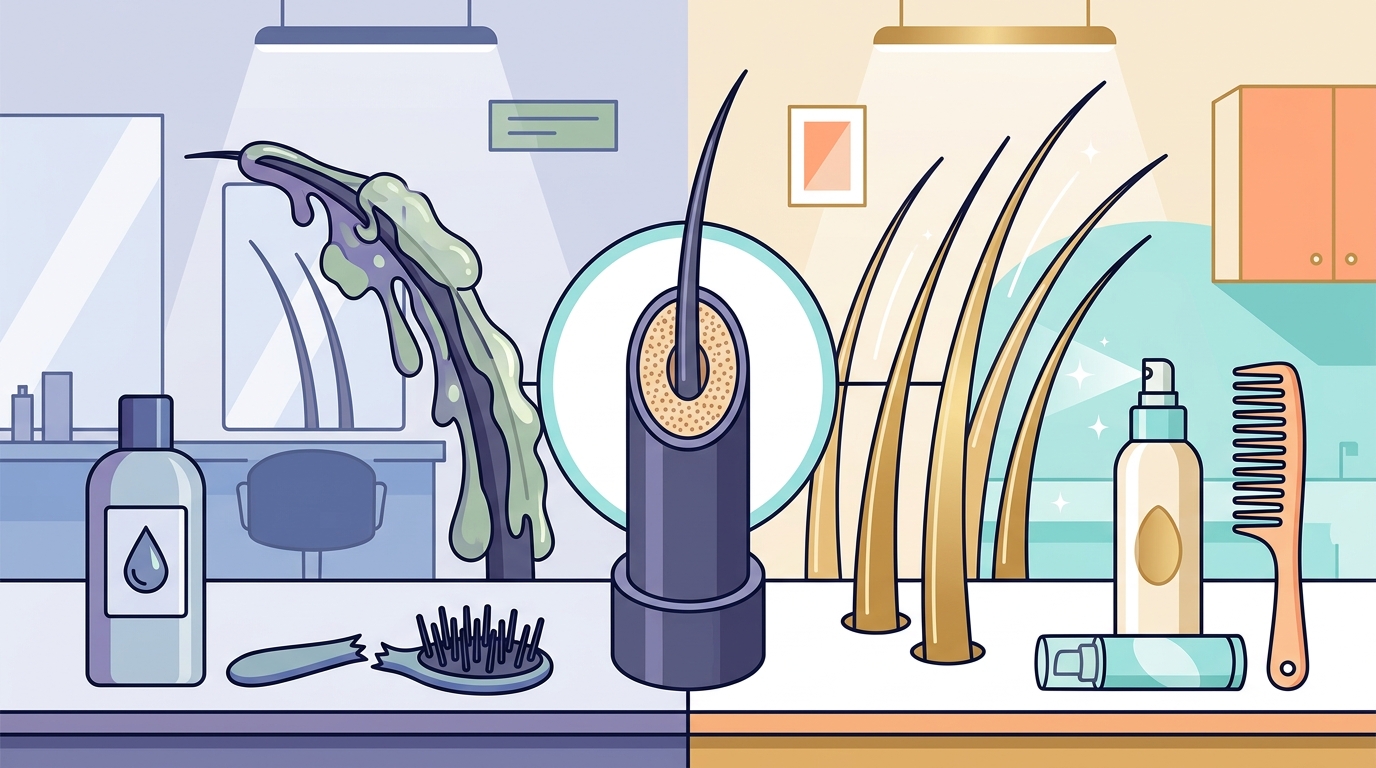
When fine hair is weighed down, it loses its ability to lift at the root. This is why many people with fine hair feel that their hair looks oily or flat shortly after washing. The issue is rarely excess oil production but rather the accumulation of residue that clumps the lightweight strands together. Recognizing this distinction is crucial for selecting the right products and techniques. You must treat fine hair with a light touch, focusing on lift and separation rather than heavy hydration.
Washing and Drying Errors
One of the most common mistakes people with fine hair make is over-conditioning. Conditioners are designed to smooth the hair cuticle and add moisture. While this is beneficial for coarse or curly hair, it can be disastrous for fine hair if applied incorrectly. Applying conditioner to the roots or scalp creates immediate slippage and flatness. The correct technique is to apply conditioner only from the mid-lengths to the ends. This ensures that the delicate root area remains free of heavy residues that weigh hair down.
Another critical error is using hot water for washing. Hot water opens the hair cuticle excessively, leading to moisture loss and frizz. For fine hair, which already struggles with volume, frizz is the enemy of definition. Use lukewarm water to cleanse and finish with a cool rinse to seal the cuticle. This helps reflect light and adds a subtle shine without adding weight. Additionally, avoid scrubbing your scalp aggressively with your fingernails. This can irritate the follicle and lead to inflammation. Use the pads of your fingers to gently massage the scalp, promoting blood flow without causing damage.
Drying methods also play a significant role in volume retention. Rubbing wet hair with a regular towel creates friction that damages the cuticle and causes breakage. Fine hair is particularly fragile when wet. Instead, use a microfiber towel or a soft cotton t-shirt to gently squeeze out excess water. This method absorbs moisture without the harsh friction that leads to tangles and split ends. Letting your hair air dry completely can also result in flatness, as the weight of the water pulls the strands down. Blow-drying with a concentrator nozzle, directing the airflow down the hair shaft, helps smooth the cuticle and lock in volume.
The Buildup Problem
Product buildup is a silent killer of volume. Many shampoos and conditioners contain silicones and polymers that coat the hair shaft. Over time, these coatings accumulate, making fine hair feel heavy, greasy, and limp. This is especially true for those who use dry shampoo frequently. While dry shampoo is a convenient tool for extending the life of a hairstyle, it leaves behind starch and alcohol residues that bind hair strands together. This clumping effect reduces the overall volume and can clog hair follicles if not removed regularly.
To combat buildup, incorporate a clarifying shampoo into your routine once every two weeks. A clarifying shampoo is formulated to deep clean the hair and scalp, removing accumulated residues that regular shampoos miss. Look for formulas that are sulfate-free to avoid excessive drying, but ensure they are strong enough to dissolve silicones. If you are unsure about your current products, check the ingredient list for ingredients ending in "-cone" or "-xane," which indicate silicones. Switching to lightweight, volumizing products can make a significant difference. Products labeled "volumizing" or "weightless" are typically formulated with proteins and polymers that lift the hair at the root without weighing it down.
Another aspect of buildup is the use of heavy styling products like gels and creams. These products are designed to hold styles in place but can leave a stiff, crunchy residue on fine hair. Opt for lightweight mousses or foams that provide hold without weight. Apply these products to damp hair before blow-drying for the best results. This allows the product to distribute evenly and create a foundation for volume that lasts throughout the day.
Heat Styling Risks
Heat styling is a double-edged sword. While it can create instant volume and style, excessive heat exposure damages the hair structure. Fine hair has less protein and moisture to protect it from high temperatures. When heat is applied directly to the hair shaft, it can cause the water inside the strand to boil, creating bubbles that weaken the hair. This is known as bubble hair, and it leads to breakage and split ends.
To minimize heat damage, always use a heat protectant spray before styling. These products create a barrier between the hair and the heat source, reducing the risk of thermal damage. Look for protectants that contain film-forming polymers and silicones that can withstand high temperatures. Additionally, keep your styling tools at a moderate temperature. For fine hair, a setting below 350 degrees Fahrenheit is usually sufficient. Higher temperatures are unnecessary and only increase the risk of damage.
Blow-drying technique is also crucial for volume. Use a round brush to lift the hair at the roots while directing the airflow from the roots to the ends. This helps to smooth the cuticle and create a natural lift. Avoid over-drying the hair, as this can strip it of its natural oils and lead to brittleness. Stop blow-drying when the hair is about 90% dry and let the remaining moisture evaporate naturally. This reduces the overall heat exposure and helps maintain the hair's integrity.
Choosing the Right Extensions
For those seeking immediate volume and length, hair extensions can be a transformative solution. However, not all extension methods are suitable for fine hair. Heavy or improperly applied extensions can pull on the natural hair, causing traction alopecia and breakage. It is essential to choose a method that distributes weight evenly and minimizes stress on the natural hair follicles.
At Hair Extensions Europe, we specialize in premium quality extensions designed for various hair types, including fine hair. Our range includes Tape-In Extensions, which are known for their flat, lightweight application. Tape-ins lie flat against the head, making them less visible and more comfortable for fine hair. They also distribute weight evenly across a wider surface area, reducing the risk of damage.
Another excellent option for fine hair is Nano Ring Extensions. These extensions use tiny, lightweight rings to attach the hair, providing a secure hold without adding bulk. The nano rings are nearly invisible and cause minimal tension on the natural hair. For those who prefer a more temporary solution, Clip-In Extensions offer versatility and control. You can wear them only when needed, giving your natural hair time to rest and recover. Our Clip-In Party Hair collection is designed for easy application and removal, making it perfect for occasional use.
It is also important to consider the quality of the hair used in extensions. 100% Natural Hair extensions blend seamlessly with your natural hair and can be styled with heat. Synthetic extensions, on the other hand, can melt under high heat and often look unnatural. Investing in high-quality human hair extensions ensures a longer lifespan and a more natural appearance. Explore our Pre-Bonded and Wefts collections for more options tailored to your needs.
Maintenance and Care
Maintaining fine hair requires a consistent and gentle routine. Regular trims are essential to remove split ends before they travel up the hair shaft. Split ends can cause the hair to look frizzy and thin, reducing overall volume. Aim for a trim every six to eight weeks to keep your hair healthy and vibrant.
Using the right hair care products is equally important. Look for shampoos and conditioners that are specifically formulated for fine or thinning hair. These products are typically lighter and contain ingredients that add body without weighing hair down. Avoid products with heavy oils or butters, as these can coat the hair and make it look greasy. Instead, opt for products with proteins like keratin or wheat, which can strengthen the hair shaft and add volume.
For those who wear extensions, proper maintenance is crucial to prevent damage. Follow the care instructions provided by your extension specialist. This usually includes avoiding oil-based products near the attachment points and brushing the hair gently from the ends up to the roots. Use a Jenoris or Socap Hair Care product line designed for extension maintenance to keep both your natural hair and extensions in top condition. Our Discount Package offers cost-effective solutions for maintaining your hair care routine.
Key Takeaways
- Fine hair is defined by its thin diameter, making it prone to flatness and breakage.
- Avoid applying conditioner to the roots to prevent weighing down the hair.
- Use lukewarm water and cool rinses to seal the cuticle and enhance shine.
- Clarify your hair regularly to remove product buildup that reduces volume.
- Always use a heat protectant and keep styling tools below 350°F.
- Choose lightweight extension methods like Tape-Ins or Nano Rings for fine hair.
- Invest in 100% natural hair extensions for a seamless and durable look.
Frequently Asked Questions
How do I add volume to fine hair without products?
You can add volume by changing your part, using a blow-dryer with a concentrator nozzle, and sleeping on a silk pillowcase to reduce friction and maintain lift.
Are tape-in extensions safe for fine hair?
Yes, tape-in extensions are generally safe for fine hair because they are lightweight and distribute weight evenly. However, they must be applied and maintained by a professional to prevent damage.
What is the best shampoo for fine hair?
Look for a volumizing shampoo that is sulfate-free and lightweight. It should cleanse the scalp without leaving heavy residues that weigh hair down.
How often should I wash fine hair?
Fine hair often requires more frequent washing, typically every other day, to prevent oil buildup. However, this depends on your scalp's oil production and activity level.
Can I use dry shampoo on fine hair?
Yes, but use it sparingly. Overuse can lead to buildup and irritation. Choose a dry shampoo that is specifically formulated for fine hair and wash it out regularly.
What is the difference between hair density and hair texture?
Hair density refers to the number of hairs per square inch on your scalp, while hair texture refers to the thickness of each individual hair strand.
How do I remove product buildup from fine hair?
Use a clarifying shampoo once every two weeks. This will deep clean your hair and scalp, removing accumulated residues that regular shampoos miss.
Are nano ring extensions good for fine hair?
Nano ring extensions are excellent for fine hair because they use tiny, lightweight rings that cause minimal tension and are nearly invisible.
Get Your Volume Back
Fine hair does not have to mean flat, lifeless locks. By avoiding common mistakes and adopting a gentle, targeted care routine, you can restore volume and health to your hair. Whether you choose to enhance your natural look with the right products or opt for the transformative power of premium hair extensions, the key is to prioritize the health and integrity of your natural hair. Explore our extensive collection of 100% Natural Hair extensions and hair care products at Hair Extensions Europe. Order before 15:00 for same-day dispatch and experience the difference of quality you deserve.