
The Ultimate Guide to Human Hair Extensions: Quality, Care, and Selection
Human hair extensions represent the gold standard in cosmetic enhancement, offering a natural look and feel that synthetic alternatives cannot replicate. According to recent industry analysis, the global hair extension market is projected to grow significantly, with human hair commanding the largest share due to its versatility and durability. This guide explores the specific categories of human hair extensions available, how to select the correct type for your lifestyle, and the rigorous care protocols required to maintain their integrity.
Types of Human Hair Extensions
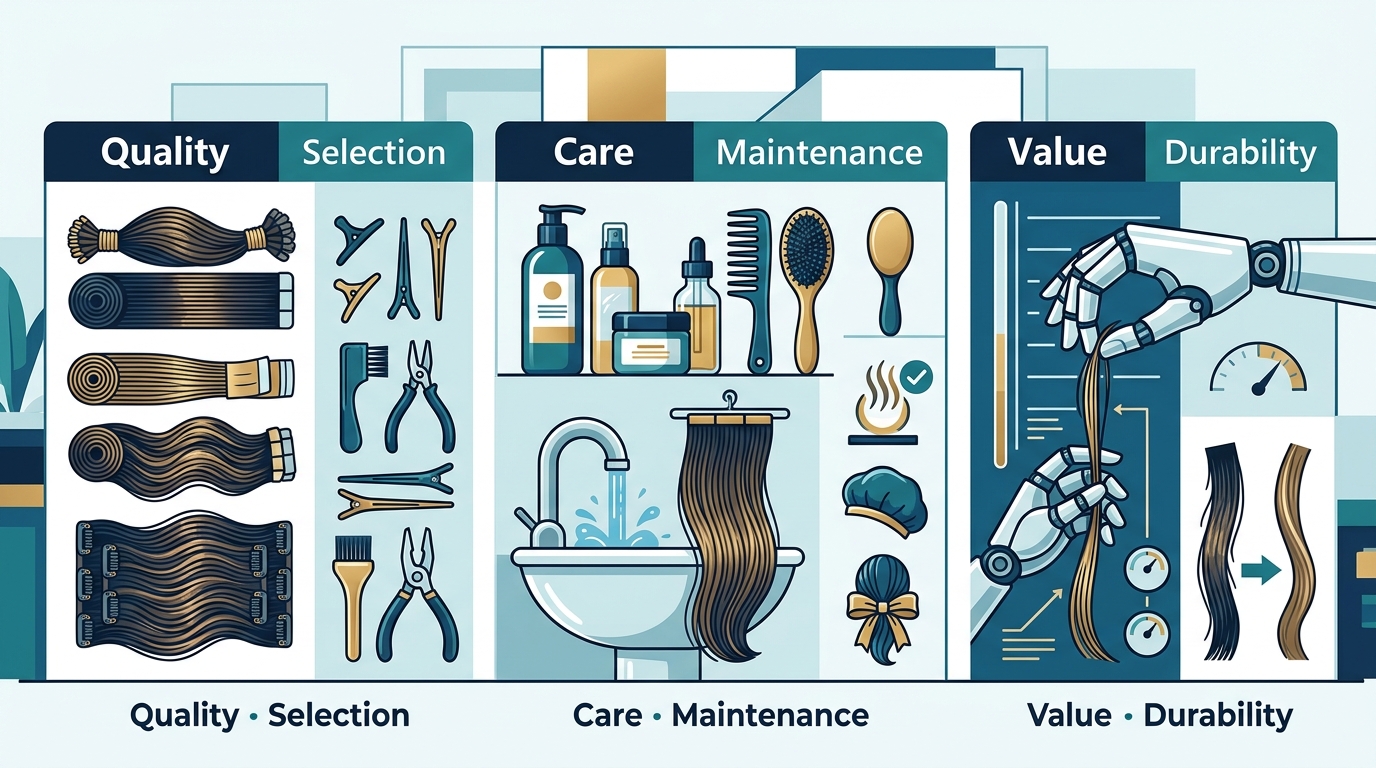
Human hair extensions are not a monolithic product. They vary significantly by attachment method, texture, and source. Understanding these distinctions is critical for achieving a seamless blend with your natural hair. The primary categories include pre-bonded, tape-in, clip-in, and ring-based extensions.
Pre-Bonded Extensions
Pre-bonded extensions, often referred to as keratin tip extensions, involve attaching individual strands of human hair to your natural hair using a heat-activated keratin bond. This method provides a secure hold that can last for several months with proper maintenance. The bond is virtually invisible when applied correctly, making it a favorite for those seeking long-term volume and length. Hair Extensions Europe offers premium pre-bonded options sourced from high-quality donors.
Tape-In Extensions
Tape-in extensions are flat wefts of human hair with a medical-grade adhesive strip on one side. They are sandwiched around a thin layer of your natural hair. This method is popular for its quick application and removal process. Tape-ins are generally less damaging than pre-bonded methods because the adhesive is distributed over a wider surface area, reducing tension on individual hair follicles. They typically last between six to eight weeks before needing to be moved up.
Clip-In Extensions
Clip-in extensions offer the most flexibility and temporary solution. These are wefts of human hair with small clips attached along the top edge. You can clip them in and out daily, allowing you to add volume or length only when needed. This method is ideal for occasional wearers or those who want to experiment with different looks without long-term commitment. Clip-in human extensions are widely regarded as the safest option for hair health.
Ring and Nano Ring Extensions
Micro ring and nano ring extensions use small metal or silicone rings to clamp the extension hair to your natural hair. Nano rings are significantly smaller and lighter, making them less noticeable and more comfortable for fine hair. These methods are heat-free and chemical-free, appealing to those who prefer non-invasive attachment techniques. The longevity of ring extensions depends on your hair growth rate and the tightness of the installation.
Understanding Hair Quality and Origin
Not all human hair is created equal. The quality of the hair determines how long the extensions last, how they behave when styled, and how naturally they blend with your own hair. The term "Remy hair" is frequently used in the industry, but its definition is often misunderstood.
Remy hair is hair where the cuticles are kept intact and aligned in the same direction. This alignment prevents tangling and matting, which are common issues with non-Remy hair. Non-Remy hair has cuticles that are stripped or misaligned, leading to a rougher texture and a shorter lifespan. When purchasing extensions, always verify that the product is 100% Remy human hair.
Hair Origins and Characteristics
Different regions produce hair with distinct characteristics. European hair is often finer and lighter, making it ideal for blending with natural European hair textures. Asian hair tends to be thicker and darker, requiring processing to achieve lighter shades. Brazilian and Peruvian hair are known for their thickness and durability, offering excellent volume. Hair Extensions Europe specializes in sourcing high-grade hair that meets strict quality standards for the European market.
Virgin vs. Processed Hair
Virgin hair has never been chemically treated, colored, or permed. It retains its natural strength and elasticity. Processed hair has undergone chemical treatments to alter its color or texture. While processed hair can be dyed further, it is more prone to damage and dryness. For the best results, virgin human hair is the preferred choice for long-term wear.
Installation Methods and Longevity
The method of installation plays a crucial role in the longevity and health of your natural hair. Each method has specific requirements for application and removal.
Professional vs. DIY Installation
Pre-bonded and ring extensions typically require professional installation to ensure the bonds are secure and the tension is appropriate. Incorrect installation can lead to traction alopecia, a form of hair loss caused by excessive pulling. Tape-ins and clip-ins can often be applied at home, but learning the correct technique is essential to avoid visible lines or discomfort. Customer service teams can provide guidance on proper application techniques.
Average Lifespan of Extensions
The lifespan of human hair extensions varies by type and care. Clip-ins can last for years if stored correctly. Tape-ins need to be moved up every six to eight weeks and typically last for three to four months before replacement. Pre-bonded and ring extensions can last for several months with regular maintenance appointments. Hair Extensions Europe provides detailed care instructions with every purchase to maximize the lifespan of your investment.
Care and Maintenance Protocols
Maintaining human hair extensions requires a dedicated routine. Unlike natural hair, extensions do not receive natural oils from the scalp, making them more susceptible to dryness.
Washing and Drying
Wash extensions less frequently than natural hair, ideally once every two weeks or after 15 to 20 wears. Use sulfate-free and alcohol-free shampoos to prevent drying out the hair. Socap Hair Care products are specifically formulated for extension maintenance. Always brush your hair before washing to remove tangles. When drying, avoid rubbing the hair with a towel. Instead, pat it dry and allow it to air dry whenever possible.
Brushing and Detangling
Use a loop brush or a specialized extension brush to detangle your hair. Start from the ends and work your way up to the roots to prevent pulling on the bonds or rings. Brush your hair at least twice a day to prevent matting. Wefts accessories and proper brushing tools are essential for maintaining the integrity of your extensions.
Heat Styling
Human hair extensions can be styled with heat tools, but excessive heat can cause damage. Always use a heat protectant spray before styling. Keep the temperature of your flat iron or curling wand below 180 degrees Celsius. Heat Connector tools can help in the application of pre-bonded extensions, ensuring a secure and seamless bond.
Color Matching and Selection
Choosing the right color is critical for a natural look. Hair color can vary even within the same shade due to natural variations in hair pigmentation.
Understanding Color Codes
Professional hair color systems use numbers and dots to denote depth and tone. For example, a 6/0 indicates a dark blonde with neutral undertones. Choosing the right color requires comparing the extensions to your natural hair in natural daylight. Avoid relying solely on store lighting, which can distort color perception.
Custom Coloring
Virgin human hair extensions can be colored by a professional stylist. However, it is generally recommended to choose a color that is close to your natural shade to minimize chemical processing. Darkening extensions is easier than lightening them, as lightening requires bleaching, which can damage the hair cuticle. Jenoris keratin products can help in maintaining the health of colored extensions.
Key Takeaways
- Remy Hair Integrity: Always choose 100% Remy human hair to ensure cuticle alignment and prevent tangling.
- Method Selection: Clip-ins offer temporary flexibility, while pre-bonded and tape-ins provide longer-term solutions.
- Professional Installation: Complex methods like pre-bonded and ring extensions require professional application to prevent hair damage.
- Moisture Management: Extensions lack natural oils, so sulfate-free products and regular conditioning are essential.
- Heat Protection: Limit heat styling and always use protectant sprays to preserve hair quality.
- Color Accuracy: Match colors in natural daylight and consider professional coloring for custom shades.
- Regular Maintenance: Schedule regular move-up appointments for tape-ins and ring extensions to maintain security and comfort.
Frequently Asked Questions
Are human hair extensions damaging to natural hair?
When installed and removed correctly by a professional, human hair extensions are not damaging. Damage typically occurs due to improper installation, excessive tension, or poor maintenance. Using high-quality extensions and following care guidelines minimizes risk.
How long do human hair extensions last?
The lifespan depends on the type and care. Clip-ins can last for years. Tape-ins last three to four months with regular move-ups. Pre-bonded and ring extensions can last several months. Proper care significantly extends the life of the hair.
Can I color human hair extensions?
Yes, virgin human hair extensions can be colored. However, it is best to consult with a professional stylist. Darkening is easier than lightening, as bleaching can damage the hair structure.
What is the difference between Remy and non-Remy hair?
Remy hair has intact and aligned cuticles, preventing tangling. Non-Remy hair has stripped or misaligned cuticles, leading to matting and a shorter lifespan. Remy hair is the superior choice for quality and durability.
How often should I wash my extensions?
Wash extensions every 15 to 20 wears or once every two weeks. Use sulfate-free and alcohol-free products to maintain moisture and prevent dryness.
Can I swim with human hair extensions?
Yes, but you should protect your hair from chlorine and saltwater. Wet your hair with fresh water before swimming and apply a leave-in conditioner. Rinse thoroughly after swimming to remove chemicals.
What is the best brush for human hair extensions?
A loop brush or a specialized extension brush is recommended. These brushes detangle gently without pulling on the bonds or rings. Always brush from the ends up to the roots.
Shop Premium Human Hair Extensions
Invest in the quality and longevity of your hair with premium human hair extensions from Hair Extensions Europe. Explore our wide range of pre-bonded, tape-in, clip-in, and ring extensions, along with essential care products and accessories. Order before 15:00 for same-day dispatch and experience the difference of 100% natural, high-quality hair.