

Investing in premium hair extensions is a significant financial decision that directly impacts both your aesthetic results and the health of your natural hair. According to recent industry data, the average cost for high-quality human hair extensions ranges from $200 to $800 for the hair alone, excluding professional installation fees. This wide variance exists because the price is dictated by hair origin, processing methods, and the complexity of the attachment technique. Understanding these cost drivers is essential for making an informed purchase that delivers lasting value rather than temporary satisfaction. (Contact page of Hair)
Understanding Hair Origin and Pricing Tiers
The single most critical factor determining the price of your extensions is the source of the hair. Not all human hair is created equal, and the journey from donor to your head involves rigorous sorting and processing. Premium hair typically comes from specific regions known for consistent texture and cuticle alignment.
Russian and European Hair
Russian and European hair represents the highest tier of the market. This hair is prized for its fine texture, natural shine, and ability to blend seamlessly with most Western hair types. Because the supply is limited and the ethical sourcing standards are strict, this hair commands the highest price point. When you purchase from a reputable supplier like Hair Extensions Europe, you are investing in hair that has been carefully curated to ensure cuticle integrity. This integrity prevents tangling and matting, which are common issues with lower-grade hair.
Indian and Southeast Asian Hair
Indian hair is widely used in the industry due to its durability and thickness. It is often more affordable than European hair but can sometimes appear coarser. For individuals with thick, coarse natural hair, this can be an excellent cost-effective option. However, those with fine hair may find it difficult to blend seamlessly without professional styling. The cost here is lower, but the risk of mismatched texture is higher if not selected carefully.
Processed vs. Virgin Hair
Virgin hair has never been chemically treated, meaning the cuticles are intact and aligned in the same direction. This is the gold standard for longevity and health. Processed hair, often referred to as "silicone-coated" hair, has been chemically altered to mimic the feel of virgin hair. While cheaper, this coating washes out over time, leading to rapid tangling and dryness. Always verify if the hair is 100% natural and unprocessed to ensure you are paying for quality.
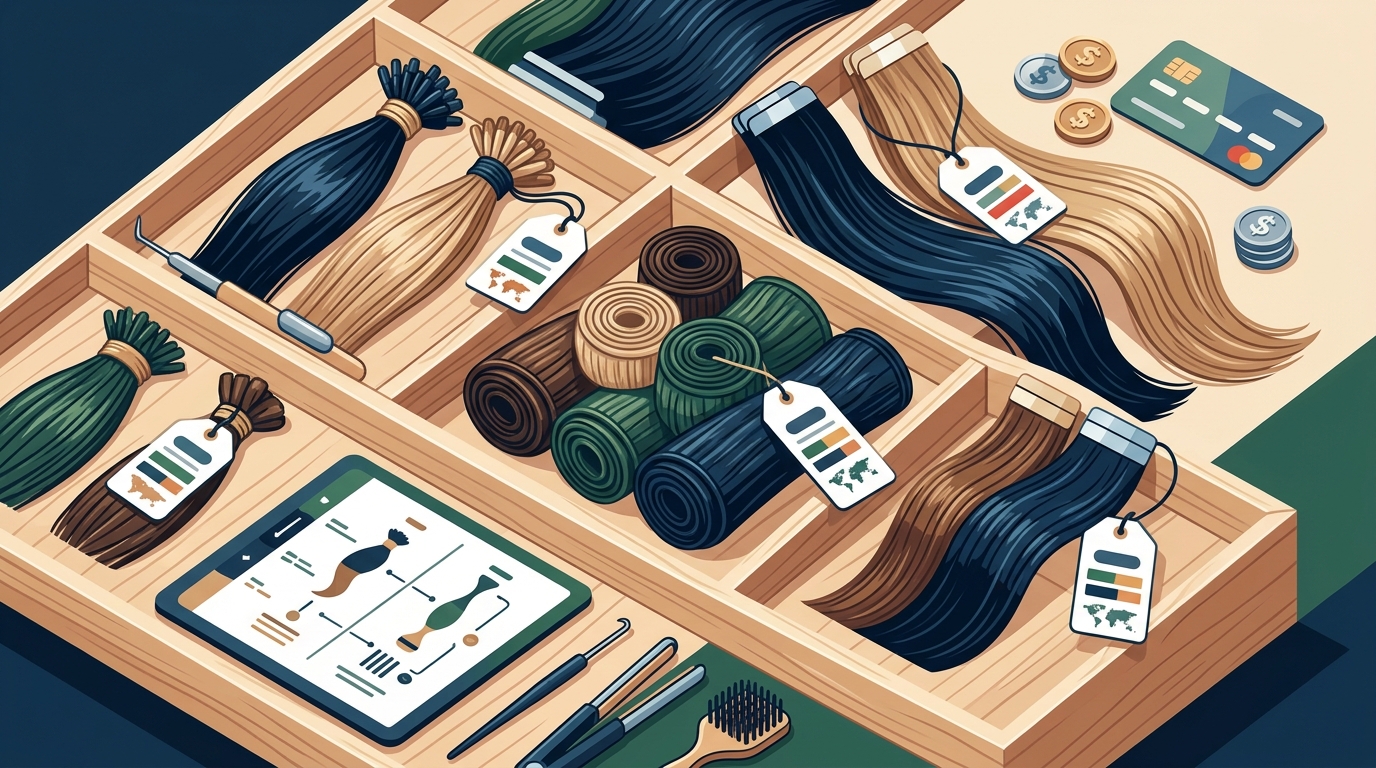
Installation Methods and Associated Costs
Buying the hair is only half the equation. The method of attachment drastically changes the total cost. Each technique requires different amounts of hair, specialized tools, and professional expertise.
Tape-In Extensions
Tape-in extensions are among the most popular choices due to their relatively quick application and removal process. They lie flat against the head, making them invisible under most hairstyles. The cost for tape-ins includes the hair wefts and the professional application fee. Because they require maintenance every six to eight weeks, the long-term cost adds up. However, they are generally less expensive upfront than bonded methods.
Micro Ring and Nano Ring Extensions
Micro ring and nano ring extensions use small metal or silicone beads to clamp the extension to your natural hair. This method is heat-free and causes minimal damage when installed correctly. Nano rings are smaller and less visible, making them ideal for fine hair. The cost is higher due to the intricate labor involved in attaching each individual strand. You can explore Micro Ring I-Tip Extensions for a durable, long-lasting option that offers a natural movement.
Pre-Bonded and Keratin Tips
Pre-bonded extensions use a keratin-based adhesive that is melted onto the natural hair. This method offers the most secure hold and is ideal for active lifestyles. However, it is also the most expensive due to the complexity of the application and the specialized removal process required to prevent damage. The longevity of pre-bonded extensions can exceed three months with proper care, making them a valuable investment for those seeking permanence.
Long-Term Maintenance and Care Expenses
Many consumers overlook the ongoing costs associated with hair extensions. High-quality hair is an investment that requires consistent care to maintain its luster and texture. Neglecting maintenance can lead to tangling, matting, and premature replacement, which ultimately costs more than regular upkeep.
Specialized Hair Care Products
You must use sulfate-free shampoos and conditioners specifically designed for extensions. Regular drugstore products can strip the hair of its natural oils and damage the bonds or tapes. Investing in a good quality leave-in conditioner and detangling brush is also essential. Brands like Socap Hair Care offer products formulated to extend the life of your extensions, ensuring your investment lasts longer.
Professional Maintenance Appointments
Regardless of the method you choose, you will need to visit a professional for maintenance. Tape-ins need to be moved up as your hair grows. Micro rings need to be tightened or replaced. These appointments typically cost between $50 and $150 per session, depending on your location and the stylist's expertise. Factor this into your annual budget to avoid unexpected expenses.
Drying and Styling Tools
Heat styling can damage extensions if used excessively. Investing in a high-quality heat protectant and using lower temperature settings is crucial. Some extension types, like nano rings, are sensitive to high heat, so understanding the specific care instructions for your chosen method is vital. Proper drying techniques, such as air drying or using a cool setting on your blow dryer, can significantly extend the lifespan of your hair.
Identifying Premium Quality vs. Budget Options
When evaluating the cost of extensions, it is easy to be tempted by low prices. However, budget options often come with hidden costs and compromises. Understanding the indicators of quality helps you make a smarter financial decision.
Cuticle Alignment
Premium hair has cuticles that are aligned in the same direction. This prevents the strands from catching on each other, which causes tangling. You can test this by running your fingers down a weft of hair. If it feels smooth in one direction and rough in the other, the cuticles are aligned. If it feels rough in both directions, the cuticles are mixed, and the hair will tangle quickly.
Color Consistency
High-quality extensions have consistent color throughout the strand. Budget hair may be dyed superficially, leading to fading or uneven coloring over time. When you shop at Hair Extensions Europe, you can rely on accurate color matching to ensure a seamless blend with your natural hair. This attention to detail prevents the need for frequent re-dyeing, saving you money in the long run.
Weight and Density
Premium hair feels substantial and dense. Cheap hair often feels light and airy because it is either processed to reduce weight or mixed with synthetic fibers. The weight of the hair also affects how it hangs and moves. High-quality hair moves naturally with your head, while low-quality hair can look stiff and unnatural.
Comparing Extension Types by Value
To help you decide where to allocate your budget, here is a comparison of the most popular extension types based on initial cost, longevity, and maintenance requirements.
| Extension Type | Initial Cost (Hair + Install) | Longevity | Maintenance Frequency | Best For |
|---|---|---|---|---|
| Tape-In | $300 - $600 | 6-8 weeks (repositioning) | Every 6-8 weeks | Quick application, fine hair |
| Micro Ring | $400 - $800 | 3-4 months | Every 2-3 months | Long-term wear, minimal damage |
| Pre-Bonded | $500 - $1,000+ | 3-4 months | Every 2-3 months | Active lifestyle, maximum hold |
| Clip-In | $200 - $500 | 1-2 years (with care) | None (removable) | Occasional use, budget flexibility |
As shown in the table, clip-in extensions offer the lowest initial investment and the most flexibility. However, they require daily application and removal, which can be time-consuming. For those seeking a semi-permanent solution, micro ring and pre-bonded options provide greater convenience despite the higher upfront cost. Visit our Clip-In Party Hair collection to see how versatile temporary extensions can be for special occasions.
Key Takeaways
- High-quality human hair extensions typically cost between $200 and $800 for the hair alone, with installation adding significant value.
- Russian and European hair sources offer the finest texture and best blending capabilities for Western hair types.
- Installation methods like tape-ins and micro rings vary in cost based on labor intensity and material requirements.
- Long-term maintenance includes professional appointments every 6-8 weeks and specialized hair care products.
- Premium hair features aligned cuticles, consistent coloring, and substantial density to prevent tangling and matting.
- Clip-in extensions provide a cost-effective, non-damaging alternative for occasional wear and styling flexibility.
- Investing in virgin, unprocessed hair ensures longevity and reduces the need for frequent replacements.
Frequently Asked Questions
How often do I need to replace my hair extensions?
Semi-permanent extensions like tape-ins and micro rings need to be repositioned or tightened every 6 to 8 weeks. The hair itself can last 1 to 2 years with proper care, depending on the quality and maintenance routine.
Can I color my high-quality human hair extensions?
Yes, high-quality virgin human hair can be colored. However, it is recommended to have a professional stylist perform the coloring to avoid damaging the cuticles. Lightening extensions can be more challenging than darkening them.
What is the difference between micro ring and nano ring extensions?
Nano rings are significantly smaller than micro rings, making them less visible and better suited for fine hair. Micro rings are slightly larger and may be more durable for thicker hair types. Both offer a heat-free installation method.
Are clip-in extensions damaging to natural hair?
Clip-in extensions are generally considered the least damaging option because they are removed daily. However, improper clipping or pulling can cause breakage. Always clip them close to the scalp and avoid sleeping with them in.
How do I choose the right color for my extensions?
Choose a color that matches your natural hair at the mid-lengths, not the roots or ends, as these areas often differ in shade. Consulting with a stylist or using a color matching guide from a reputable supplier like Hair Extensions Europe can help ensure a seamless blend.
What is the most affordable high-quality extension option?
Clip-in extensions are the most affordable option for high-quality human hair. They offer the flexibility to wear them only when desired, reducing long-term maintenance costs. Wefts are also a cost-effective option for those seeking a more permanent solution at a lower price point.
Do I need to use special shampoo for extensions?
Yes, you should use sulfate-free and alcohol-free shampoos. Regular shampoos can strip the hair of its natural oils and damage the bonds or tapes used to attach the extensions. Specialized care products help maintain the softness and shine of the hair.
Get Your Premium Extensions Today
Investing in high-quality human hair extensions is an investment in your confidence and style. By understanding the costs associated with different types, origins, and maintenance requirements, you can make a decision that fits your budget and lifestyle. Whether you choose the convenience of tape-ins, the durability of micro rings, or the versatility of clip-ins, ensuring the hair is 100% natural and high-quality is paramount. Explore our extensive collection of Pre-Bonded Extensions and other premium products to find the perfect match for your needs. Contact our team for personalized advice and start your journey to luxurious hair today.