
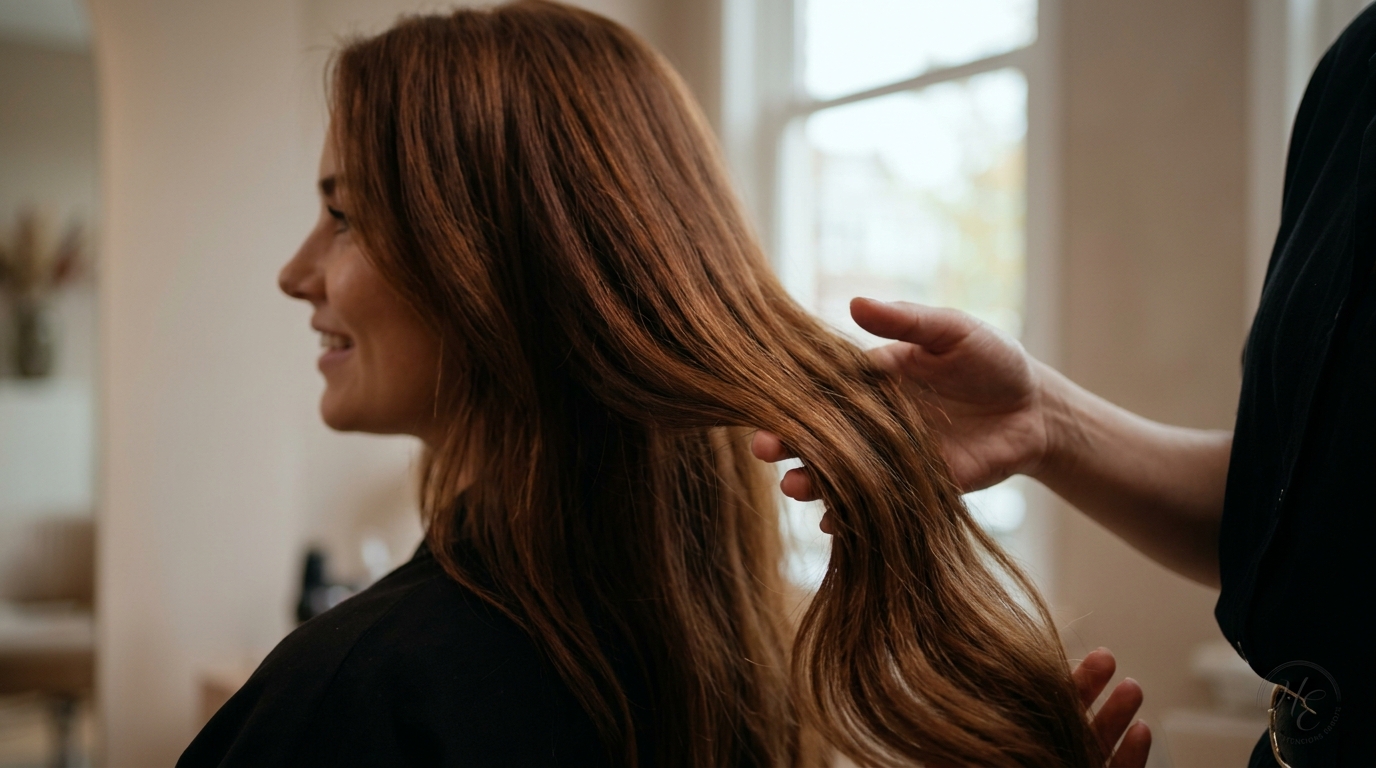
Consumers seeking authentic beauty enhancements face a saturated market filled with synthetic alternatives and misleading labels. According to industry data, the global hair extensions market is projected to reach significant valuation milestones by 2026, driven largely by demand for premium quality natural hair. This surge in demand highlights the critical need for buyers to distinguish between genuine human hair and synthetic blends. Understanding the difference is not just about aesthetics; it is about longevity, styling versatility, and overall hair health. This guide provides a definitive overview of what constitutes 100% natural hair and how to secure it from trusted sources.
What Defines 100% Natural Hair?
The term "100% natural" refers to hair that has been harvested from a human donor and has not undergone chemical processing that alters its fundamental structure. 100% natural hair is hair that retains its original cuticle alignment and protein structure. This means the hair strands run in the same direction, preventing tangling and matting, which are common issues with processed or synthetic fibers.
Unlike synthetic hair, which is made from plastic-based polymers, natural hair can withstand high heat from styling tools. It also accepts color treatments similarly to your own biological hair. This versatility makes it the preferred choice for professionals and discerning clients who require a seamless blend with their existing hairline. The integrity of the cuticle is the primary factor that determines the lifespan and feel of the extensions.
How to Verify Hair Authenticity
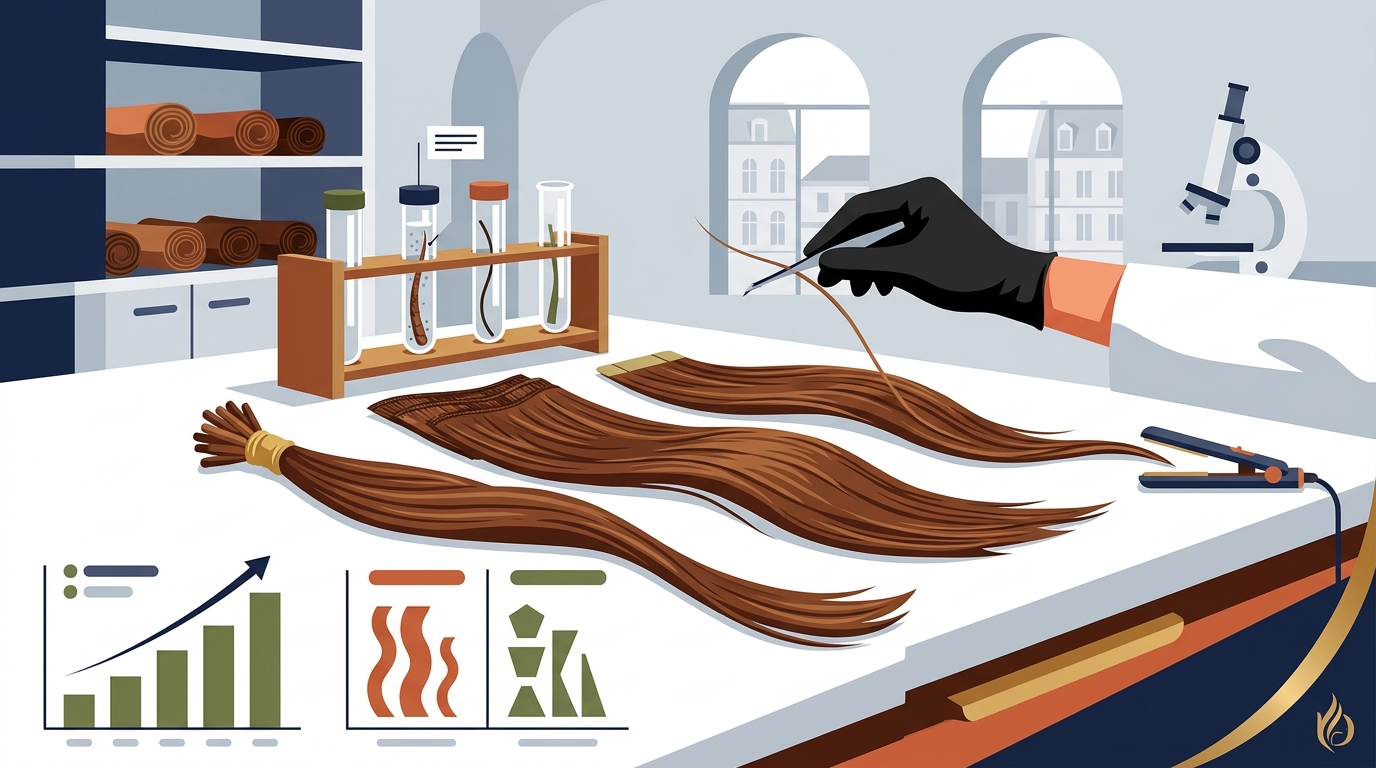
With the rise of deceptive marketing, verifying the authenticity of your purchase is essential. Several methods can help you confirm that you are investing in genuine human hair. The most reliable method involves a simple burn test. When a strand of 100% natural hair is burned, it should curl away from the flame, turn to ash, and smell like burning hair or feathers. Synthetic hair, by contrast, will melt into a hard plastic bead and emit a chemical odor.
Another verification method is the water test. Natural hair will float in water initially but will eventually sink as it absorbs moisture. Synthetic hair typically floats regardless of time due to its plastic composition. Additionally, examining the hair under magnification can reveal the cuticle structure. Authentic hair shows overlapping scales, while processed or synthetic hair appears smooth or irregular.
Reputable suppliers, such as those offering affordable prices for premium goods, often provide detailed documentation regarding the source and processing of their hair. Always request this information before making a purchase. Trusting established vendors reduces the risk of receiving mislabeled products.
Available Natural Hair Categories
Once you have confirmed the authenticity of the hair, the next step is selecting the appropriate application method. Hair Extensions Europe offers a diverse range of hair extensions designed to meet various needs and lifestyles. Understanding these categories ensures you choose the right product for your specific hair type and desired duration of wear.
| Extension Type | Application Method | Duration | Best For |
|---|---|---|---|
| Pre-Bonded | Keratin tip fusion | 3-4 months | Long-term wear and natural movement |
| Tape-In | Adhesive tape tabs | 6-8 weeks | Quick application and removal |
| Clip-In | Temporary clips | Permanent (wear as needed) | Occasional use and volume |
| Micro Ring | Small metal beads | 2-3 months | Minimal damage and reusability |
| Nano Ring | Ultra-fine beads | 2-3 months | Fine hair and discreet application |
Each category requires specific maintenance and professional application for optimal results. For instance, Tape-In Extensions are popular for their seamless look and ease of maintenance, while Pre-Bonded extensions offer a more permanent solution for those seeking long-term volume and length.
Maintenance and Longevity
Investing in 100% natural hair is a significant commitment that requires proper care to maintain its quality. Natural hair extensions require sulfate-free shampoos and regular conditioning to prevent dryness. Unlike synthetic hair, natural hair can be washed, but it must be done gently to preserve the cuticle alignment. Using a wide-tooth comb and starting from the ends prevents unnecessary pulling and breakage.
Heat styling should be minimized or always accompanied by a heat protectant spray. While natural hair can withstand heat, excessive styling can lead to cumulative damage over time. Additionally, storing clip-in extensions properly when not in use extends their lifespan significantly. Hair care products specifically designed for extensions can help maintain softness and shine.
Regular professional check-ups are essential for attached extensions. This ensures that the bonds or rings remain secure and do not cause tension on your natural hair. Proper maintenance not only protects your investment but also ensures that your natural hair remains healthy underneath the extensions.
Key Takeaways
- 100% natural hair retains its original cuticle alignment, preventing tangling.
- A burn test is the most reliable method to verify hair authenticity.
- Reputable suppliers provide detailed sourcing information for transparency.
- Various application methods exist, including Clip-In and Tape-In options.
- Sulfate-free products are essential for maintaining extension quality.
- Professional maintenance is required for attached extensions to ensure safety.
- Investing in premium quality ensures a longer lifespan and better aesthetic results.
Frequently Asked Questions
How do I know if hair extensions are 100% natural?
You can verify natural hair by performing a burn test. Natural hair will burn to ash and smell like burning feathers, whereas synthetic hair will melt and smell like plastic.
Can I color 100% natural hair extensions?
Yes, 100% natural hair can be colored and styled just like your own hair. However, it is recommended to have this done by a professional to avoid damage.
How long do natural hair extensions last?
The lifespan depends on the type of extension. Tape-ins typically last 6-8 weeks, while pre-bonded extensions can last 3-4 months with proper care.
Are natural hair extensions damaging to my hair?
When applied and removed correctly by a professional, natural hair extensions are not damaging. Proper maintenance and regular check-ups are crucial to prevent tension.
What is the difference between Remy and non-Remy hair?
Remy hair has the cuticles intact and aligned in the same direction, preventing tangling. Non-Remy hair has cuticles that are stripped or misaligned, leading to faster matting.
Can I swim with natural hair extensions?
Yes, but you should rinse your hair with fresh water immediately after swimming and apply a leave-in conditioner to protect against chlorine or saltwater damage.
Where can I buy premium quality hair extensions?
You can purchase premium quality hair extensions from specialized retailers like Hair Extensions Europe, which offers a wide range of natural hair options.
Ready to Enhance Your Look?
Discover the difference that 100% natural hair makes for your beauty routine. Visit Hair Extensions Europe today to explore our extensive collection of premium quality extensions. Order before 15:00 for same-day dispatch and experience the confidence that comes with authentic, natural hair.